Director’s Note by Elkhanah Pulitzer
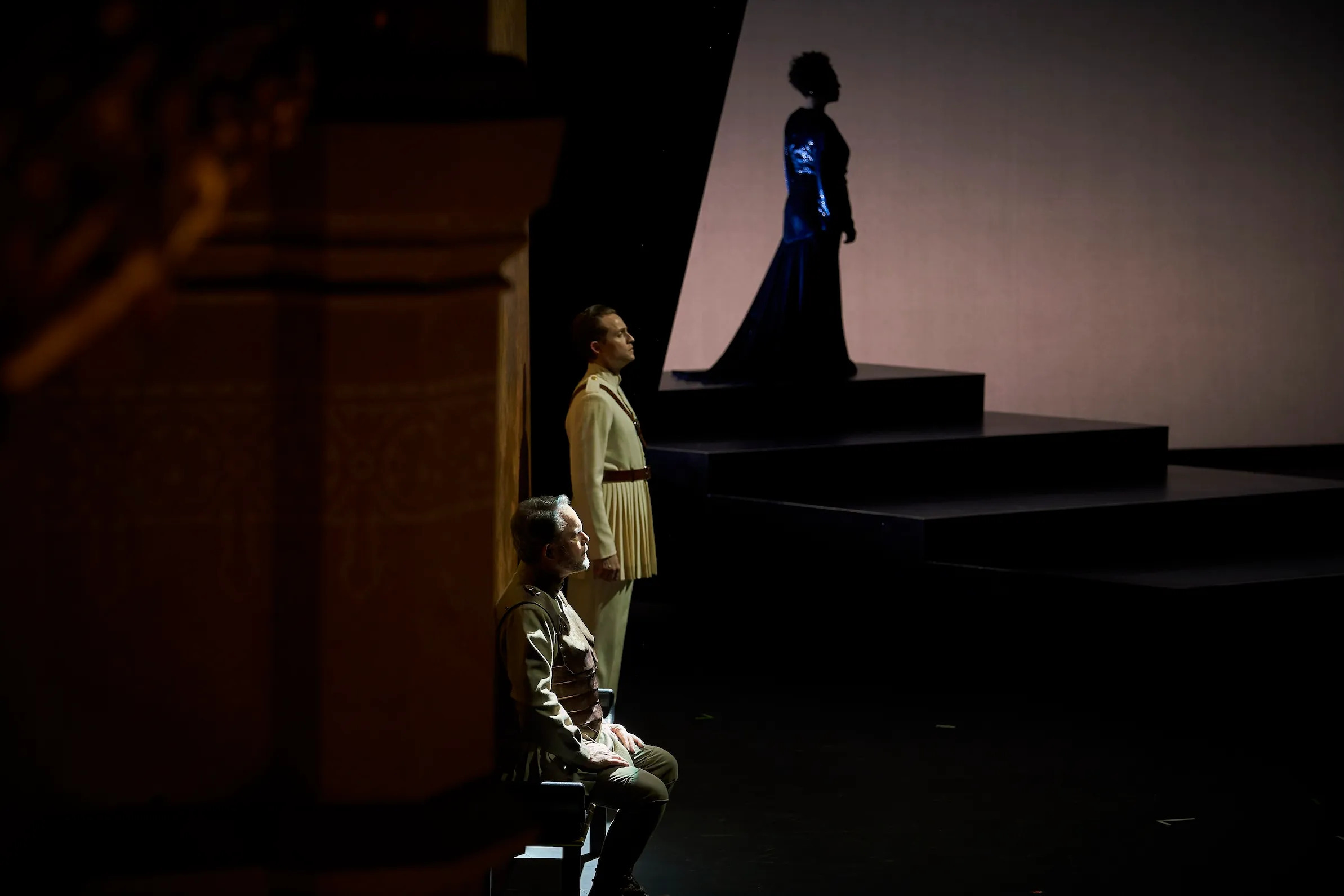
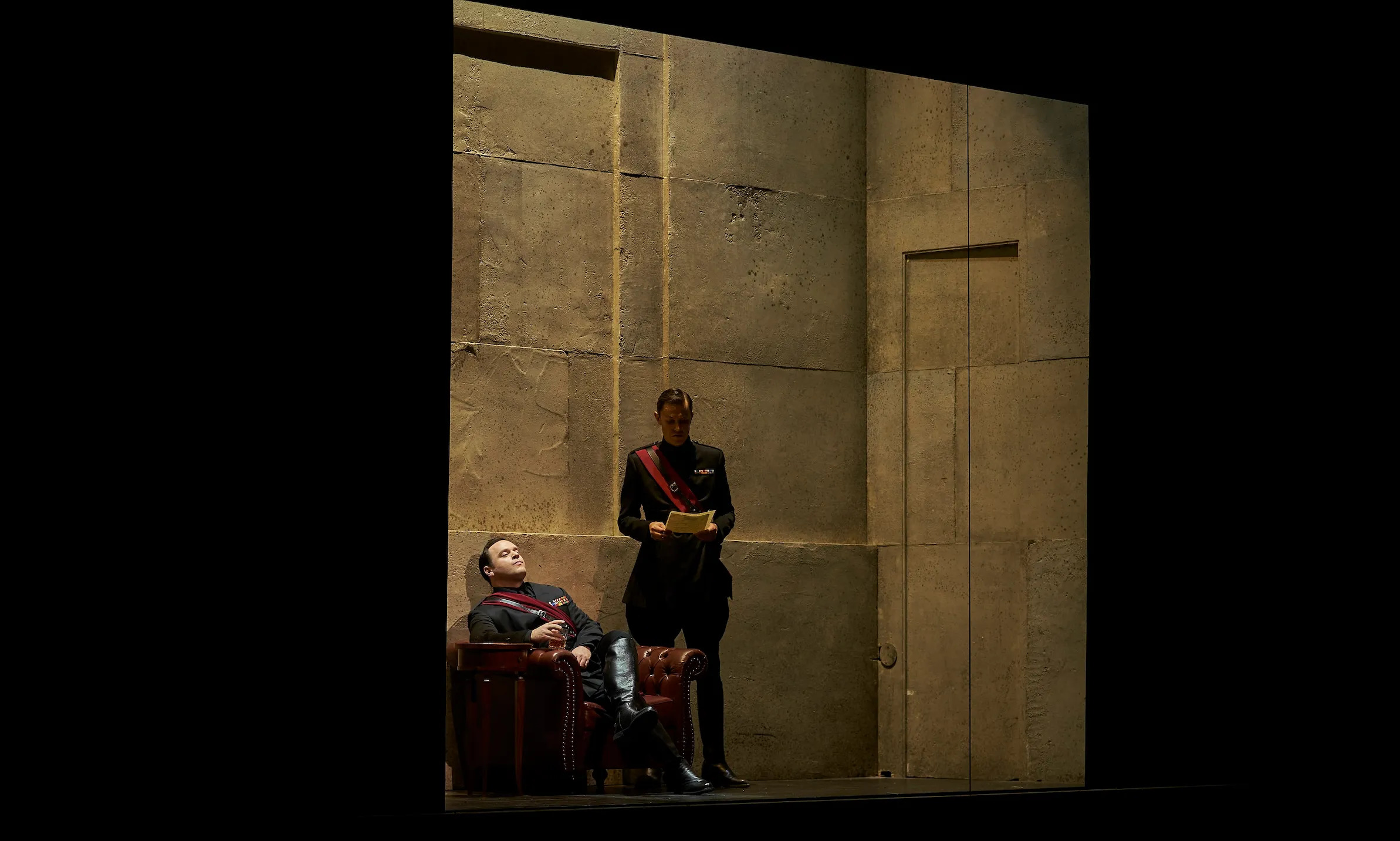
Every new opera has its own distinctive journey. My journey with Antony and Cleopatra began over four years ago when John Adams invited me to direct his new version of this famous story. John and I, working with dramaturg Lucia Scheckner, began with Shakespeare’s text, along with Life of Antony, Plutarch’s account of the two lovers and their adversary, Octavian. To process Shakespeare’s play, with its 42 scenes and 40 characters, we took a forensic, analytical approach, laying each act out on a giant sheet of butcher paper and color coding the main characters’ text. We spread them out on a giant table, examining them like detectives solving a mystery. It was always clear to us that Antony, Cleopatra, and Octavian were the primary figures around which our story would unfold and, as we focused on them and condensed scenes, several of Shakespeare’s themes emerged as guides: the individual versus the crown; artifice versus reality; the real world versus the stage; Rome versus Egypt; and monarchy versus republic. It was also evident that most of Shakespeare’s great scenes occur in private, away from the public eye, with people making good, bad, and ugly choices that directly impact one another and then reverberate out into the world.
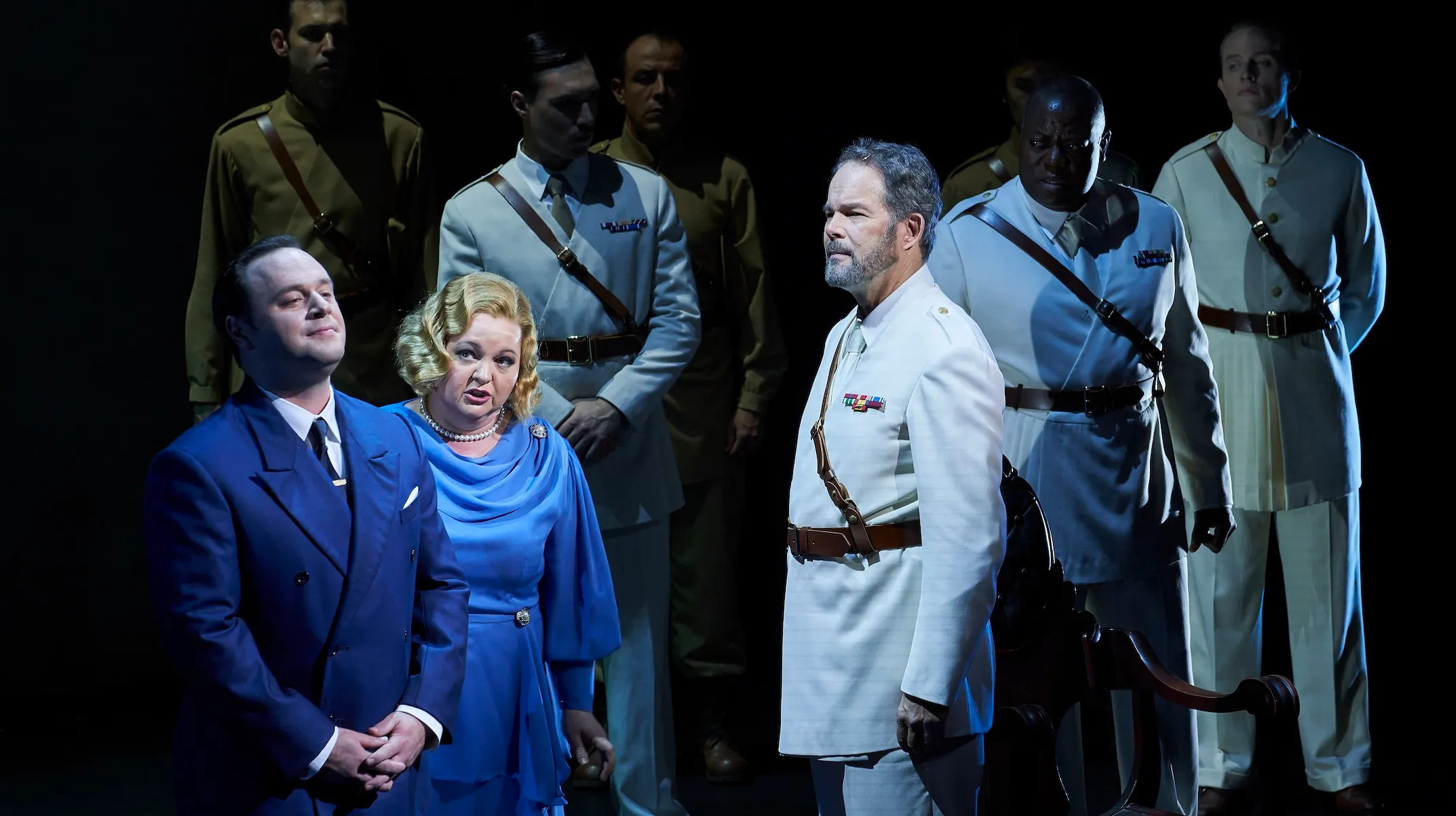
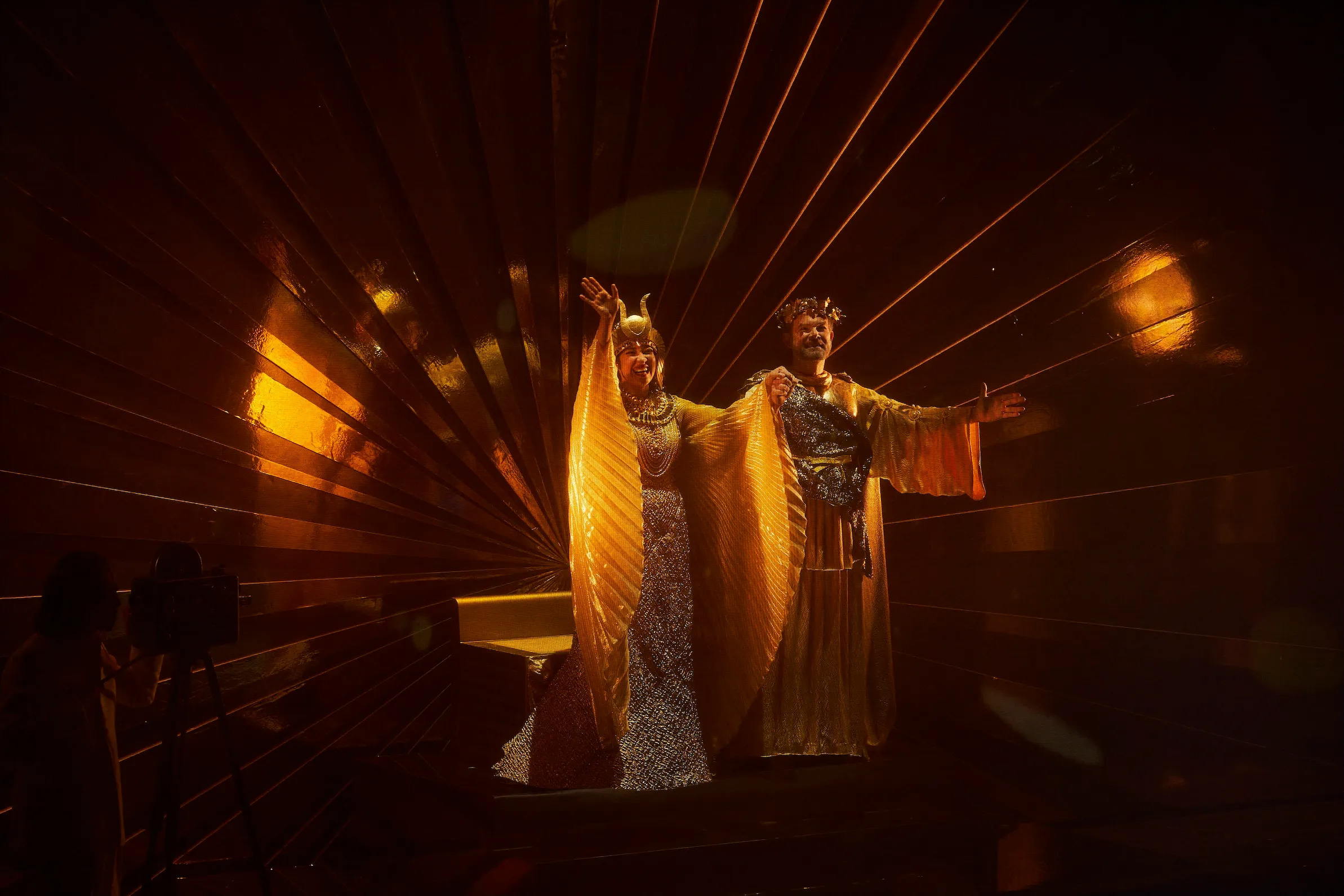
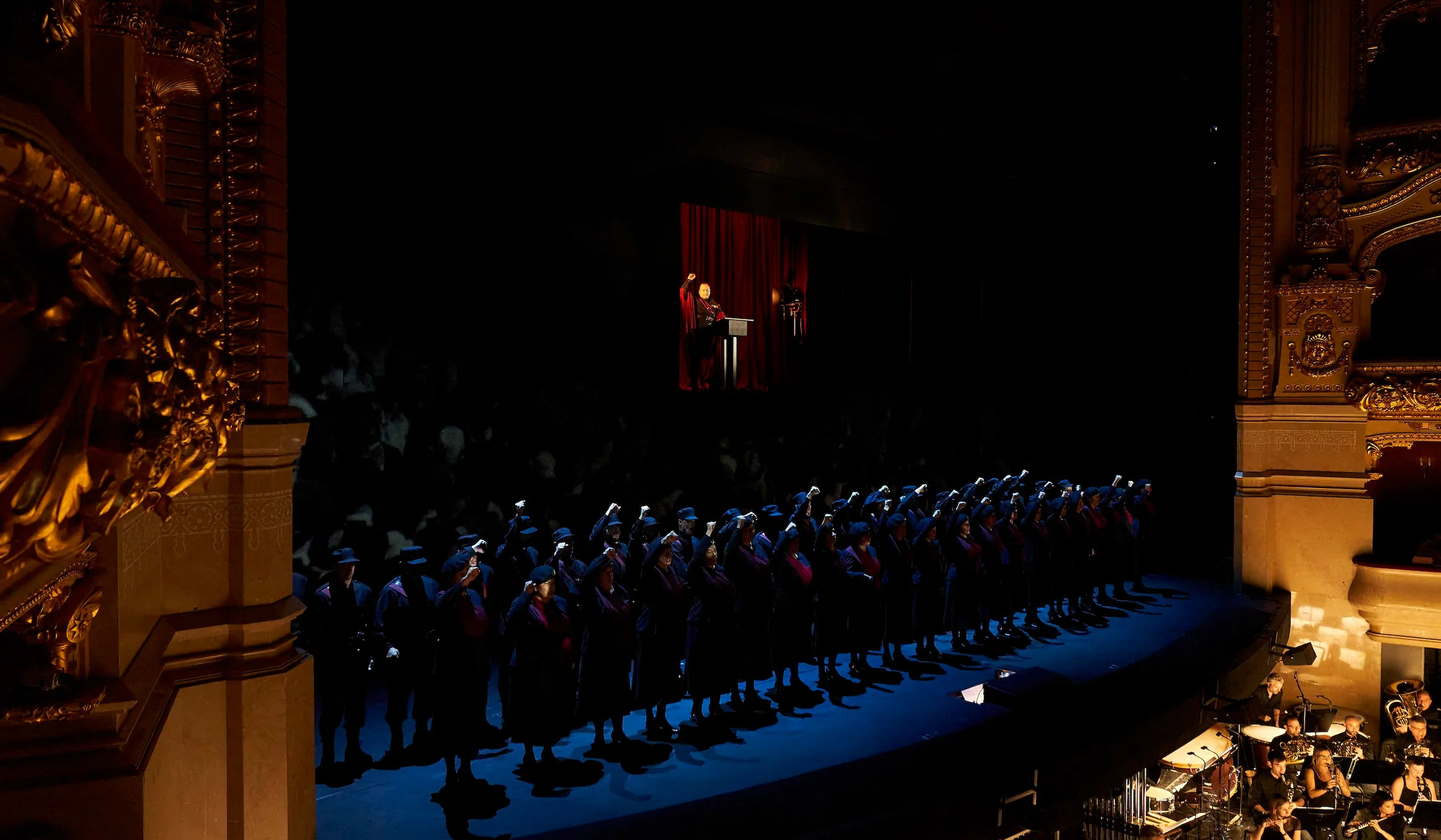
This toggling between private and public is the central structure for the flow of the opera’s scenes. Antony and Cleopatra is an enormous story of nations and rulers whose actions changed the course of history. All three of these outsized figures claimed divine descendance from gods and goddesses—Cleopatra was Isis/Aphrodite incarnate, Antony was a ‘modern’ Hercules, and Octavian claimed Apollo as his ancestor. Yet it is also an intimate story of lovers destroyed by a ruthless, rising Emperor.
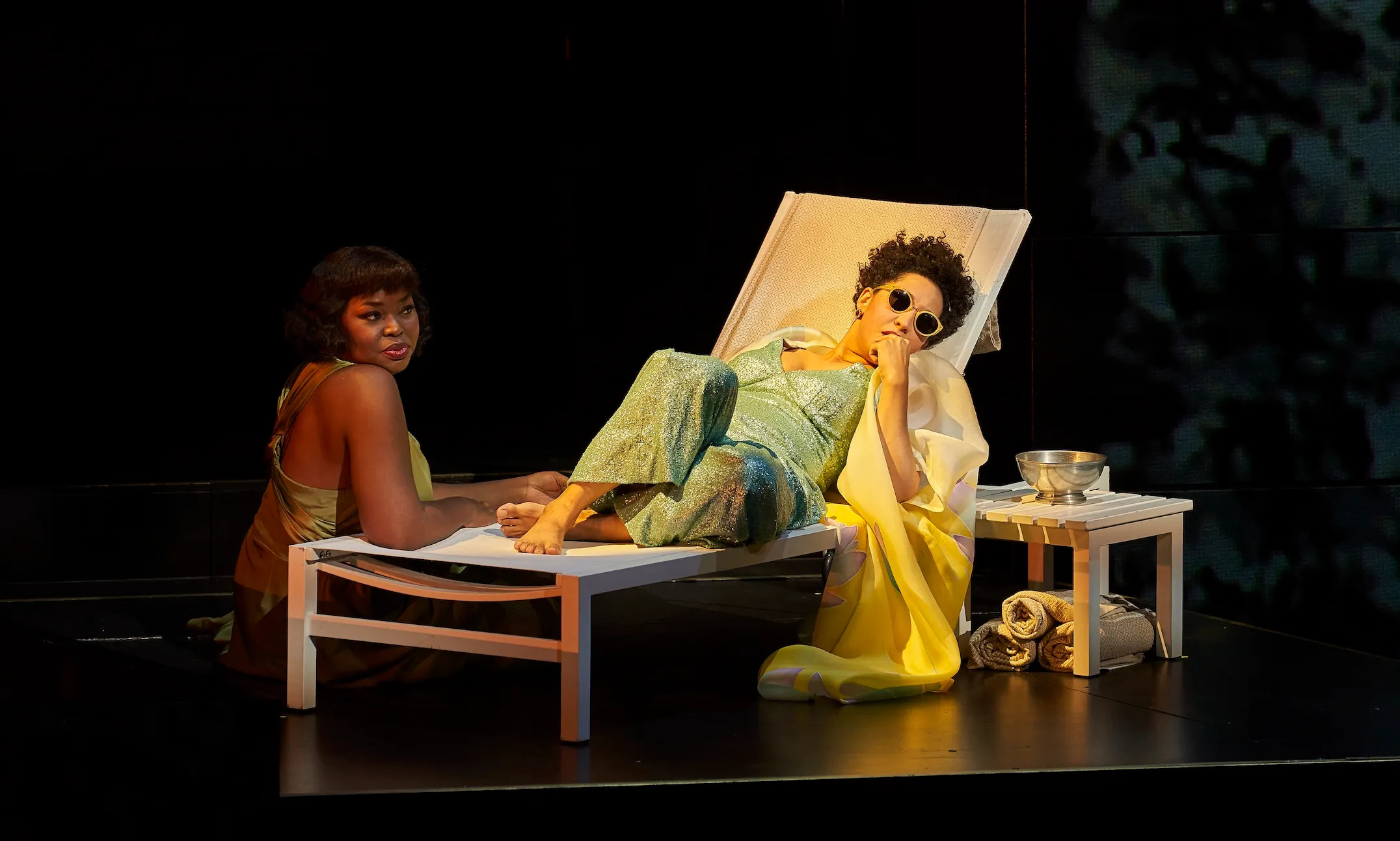
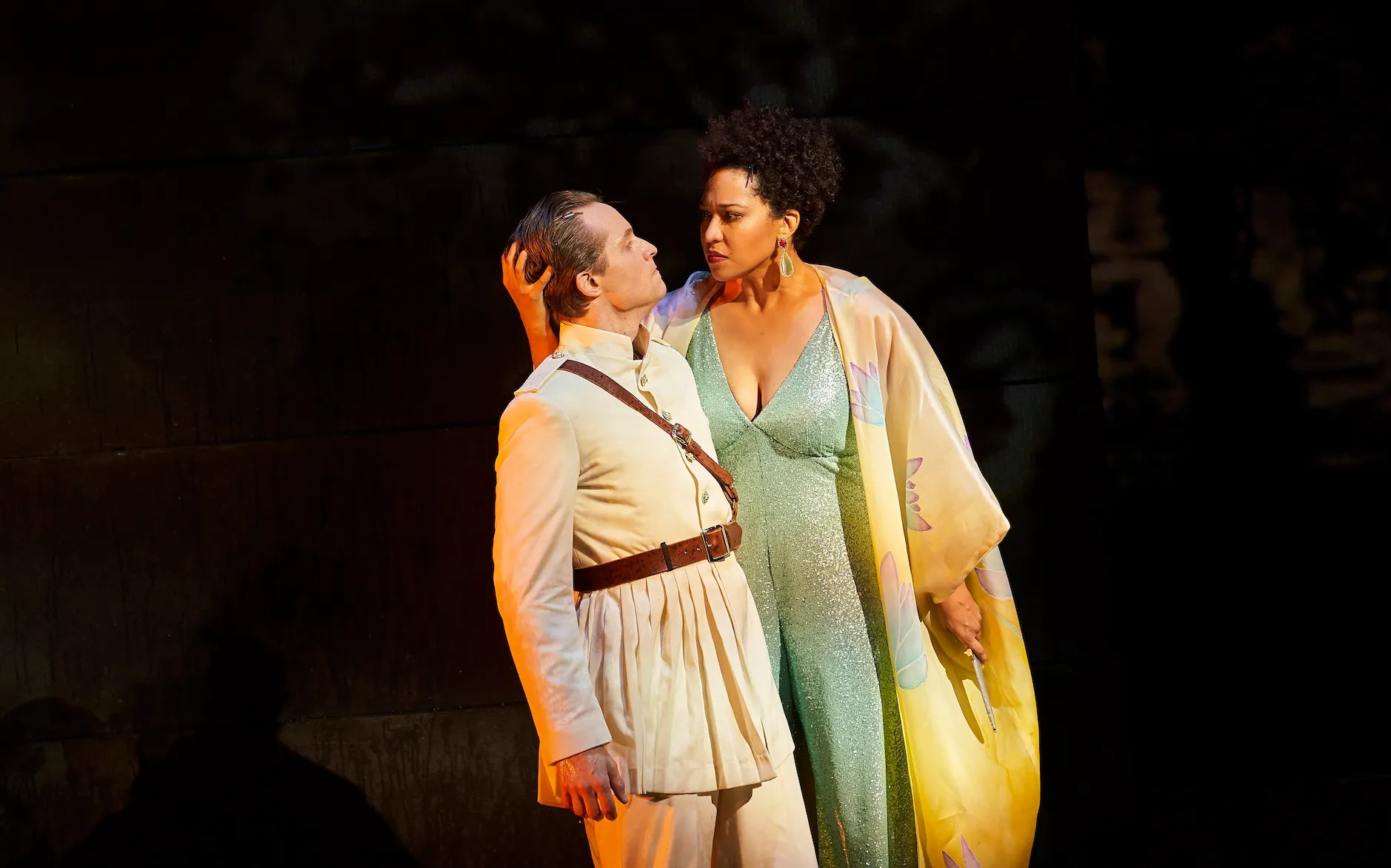
My way into this story was through Cleopatra, for whom I have a deep affection. What’s not to love about a woman who carved out space for herself as a leader in a male dominated world and did it with such spectacular confidence that she still burns bright in the public imagination some two thousand years later? Seeing someone leave such an indelible mark on history and doing it with such power, grace, beauty, and wisdom is thrilling. In Cleopatra, famous for her “infinite variety,” Shakespeare created one of the greatest female characters in his entire canon.
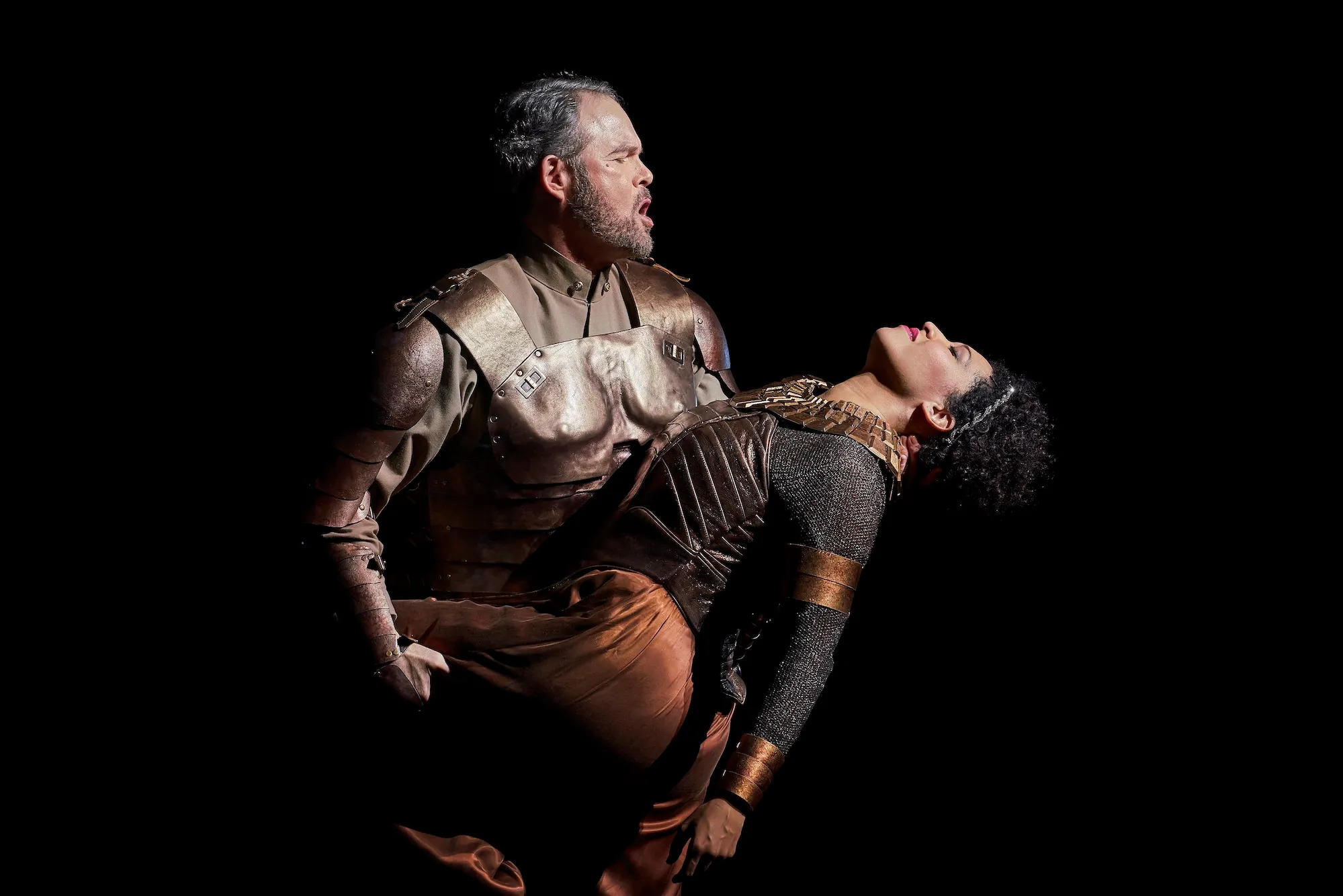
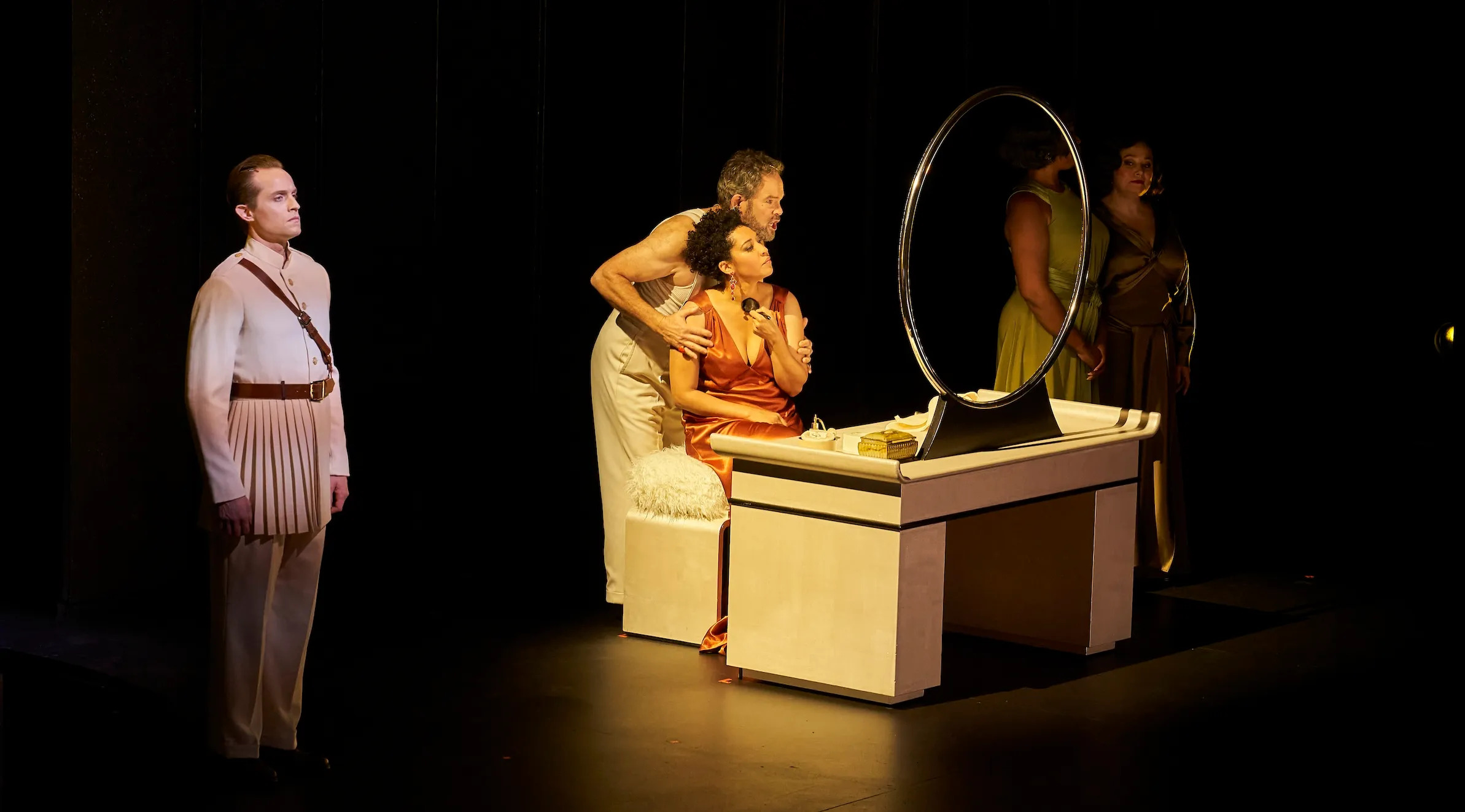
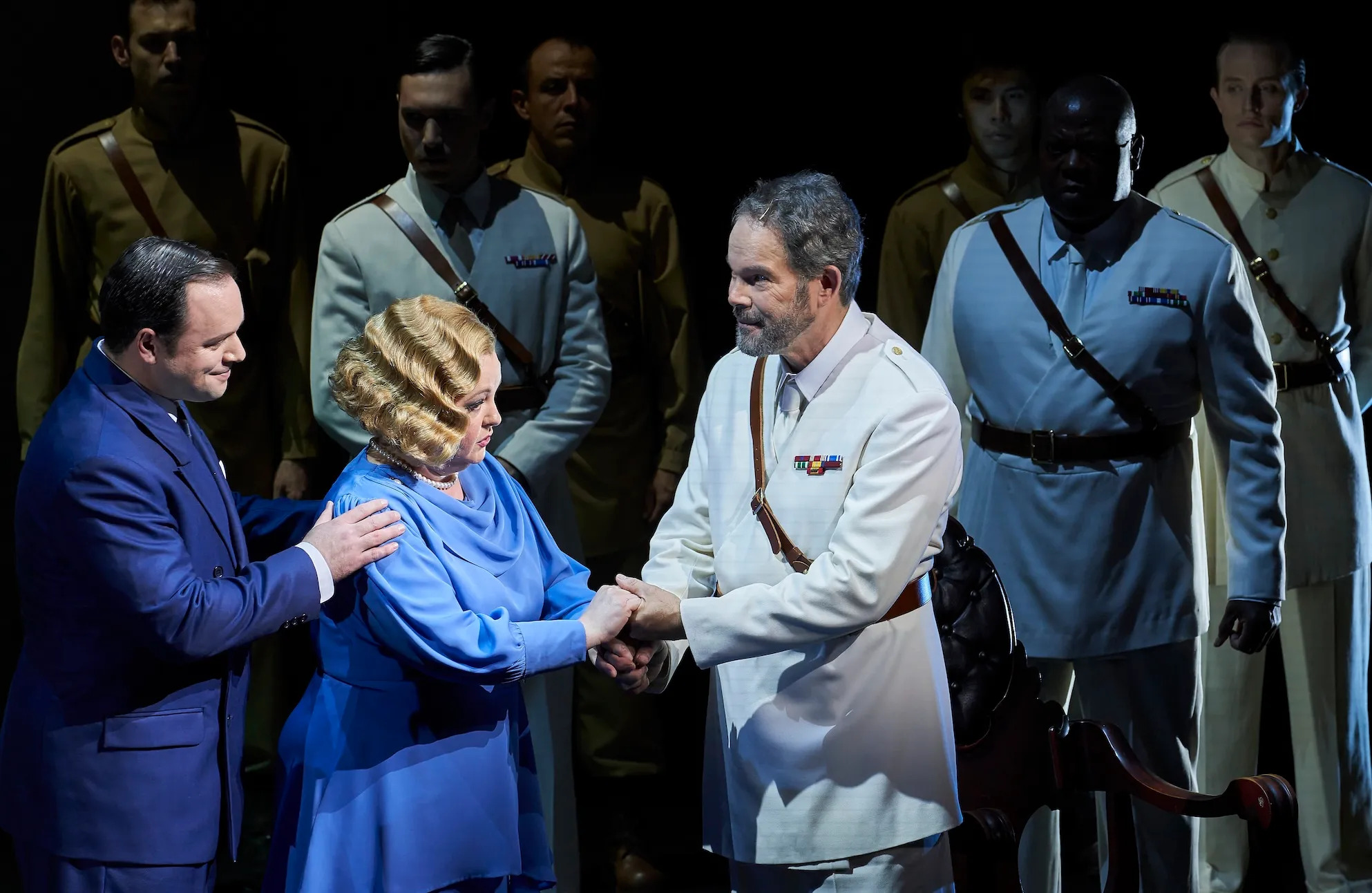
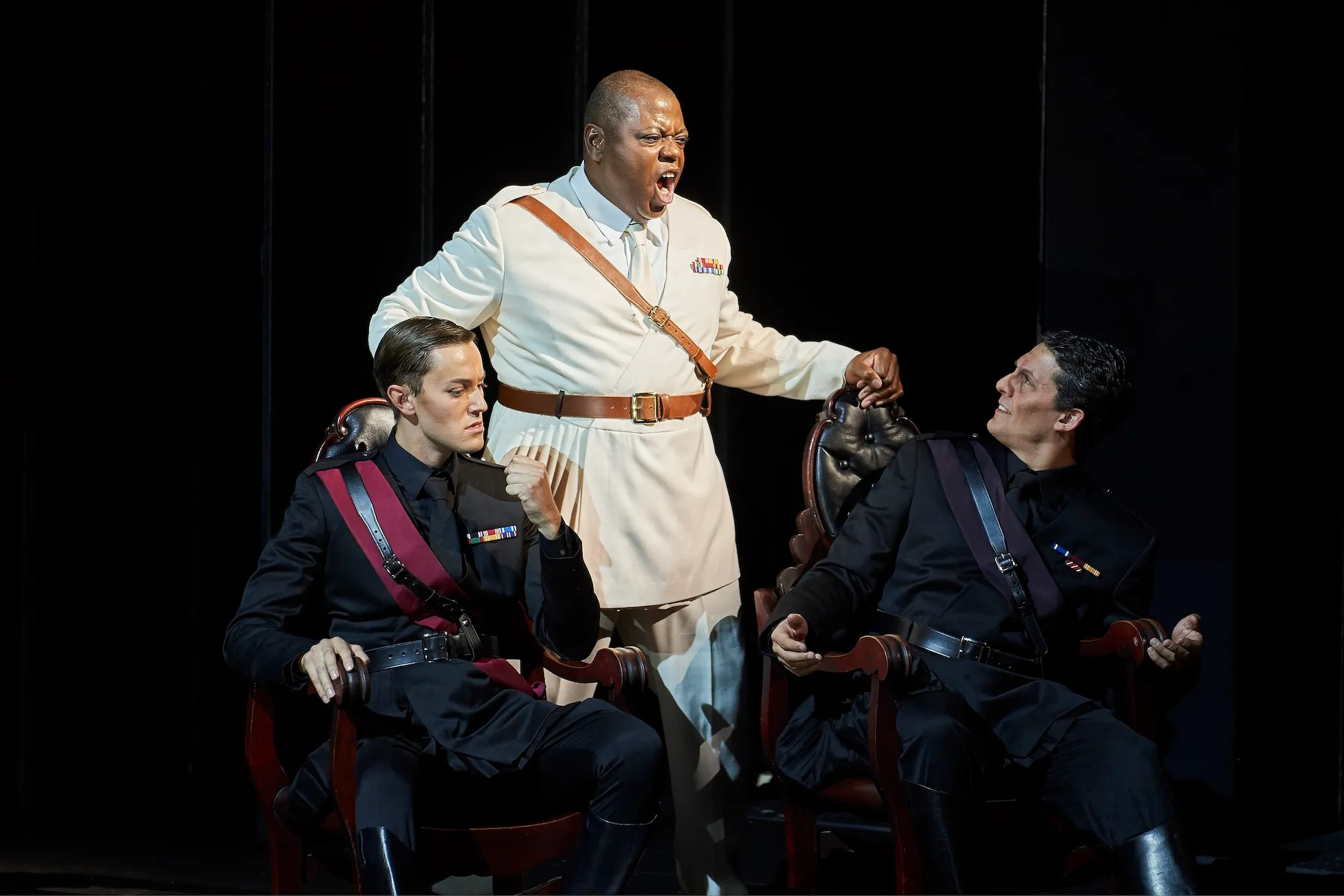
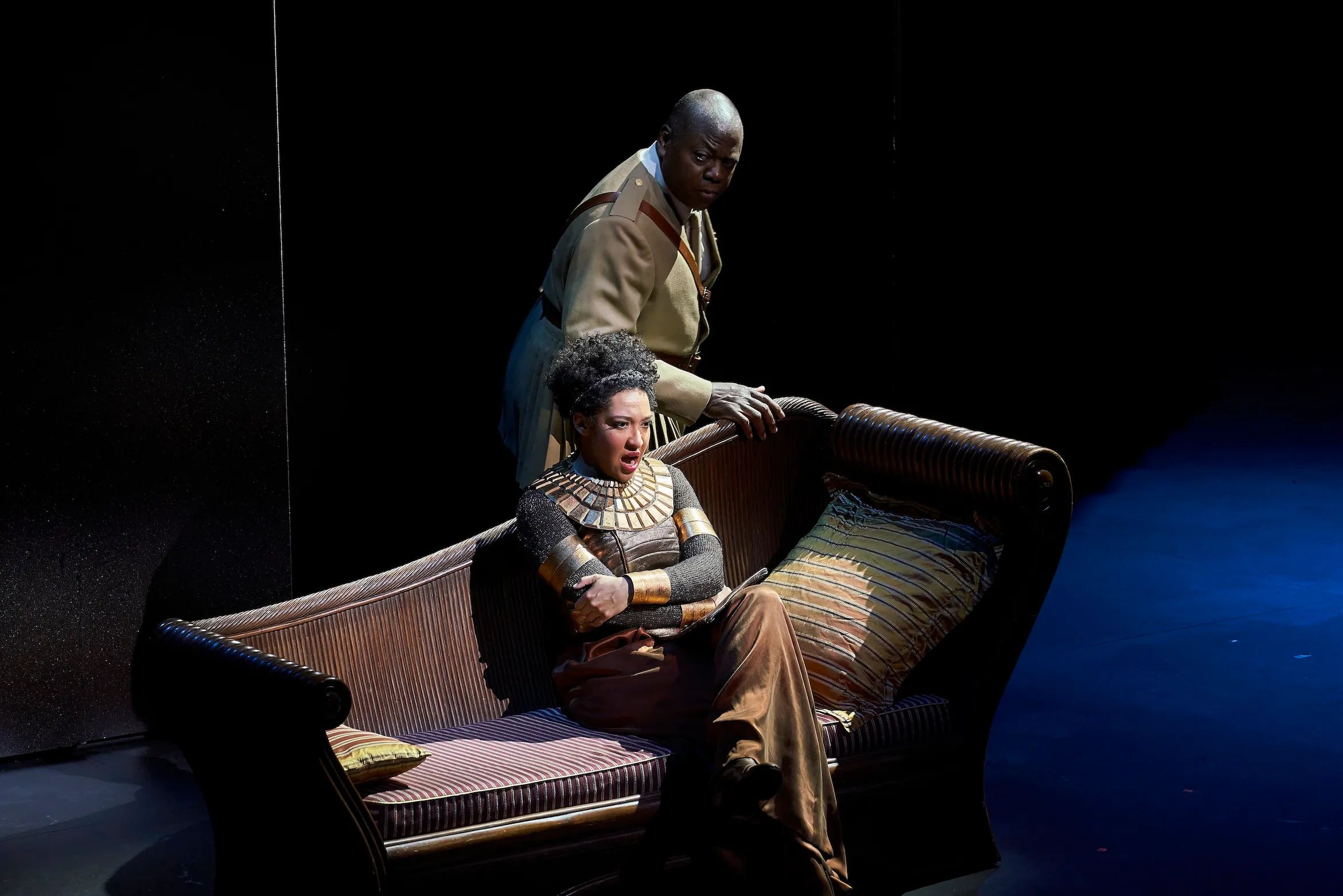
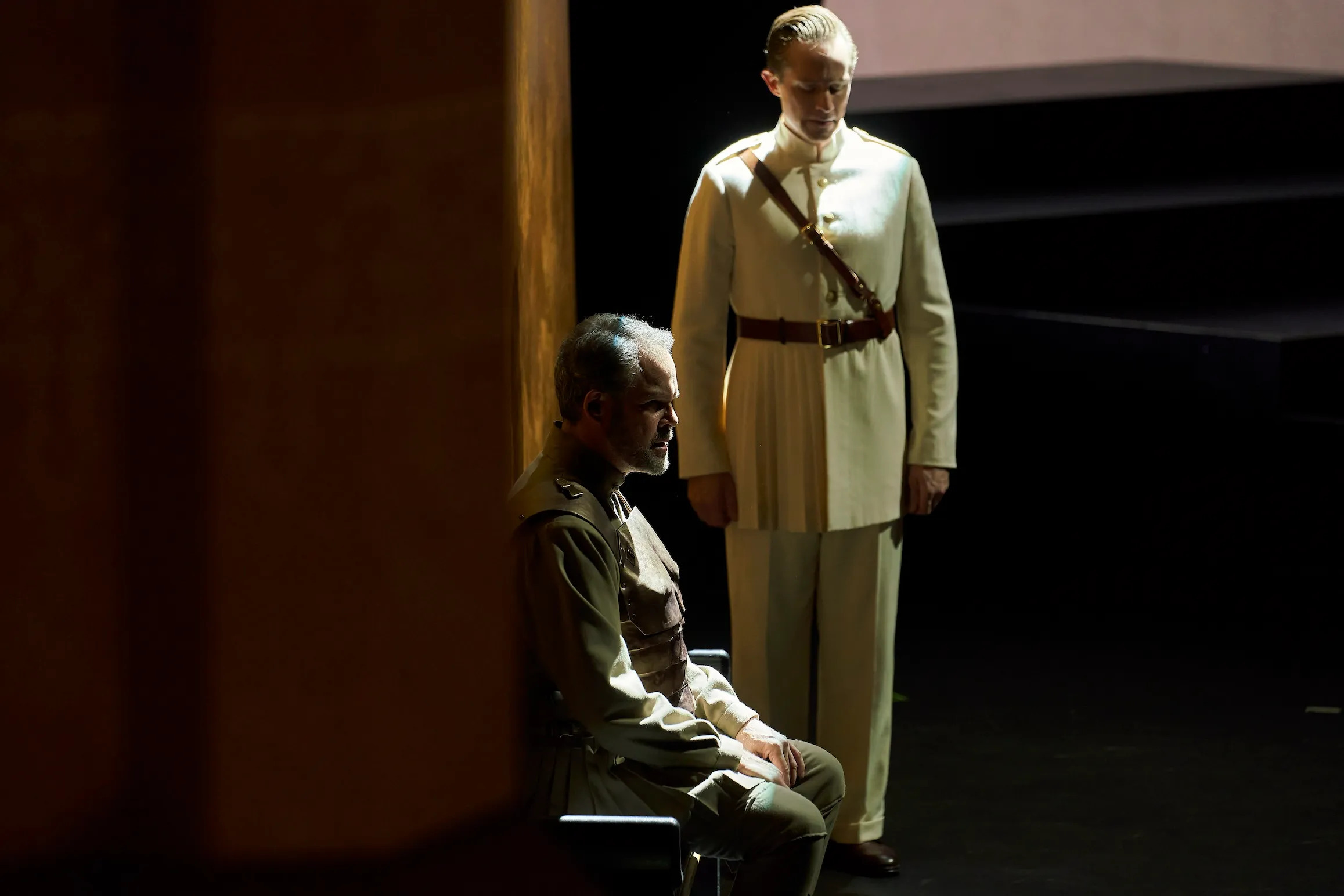
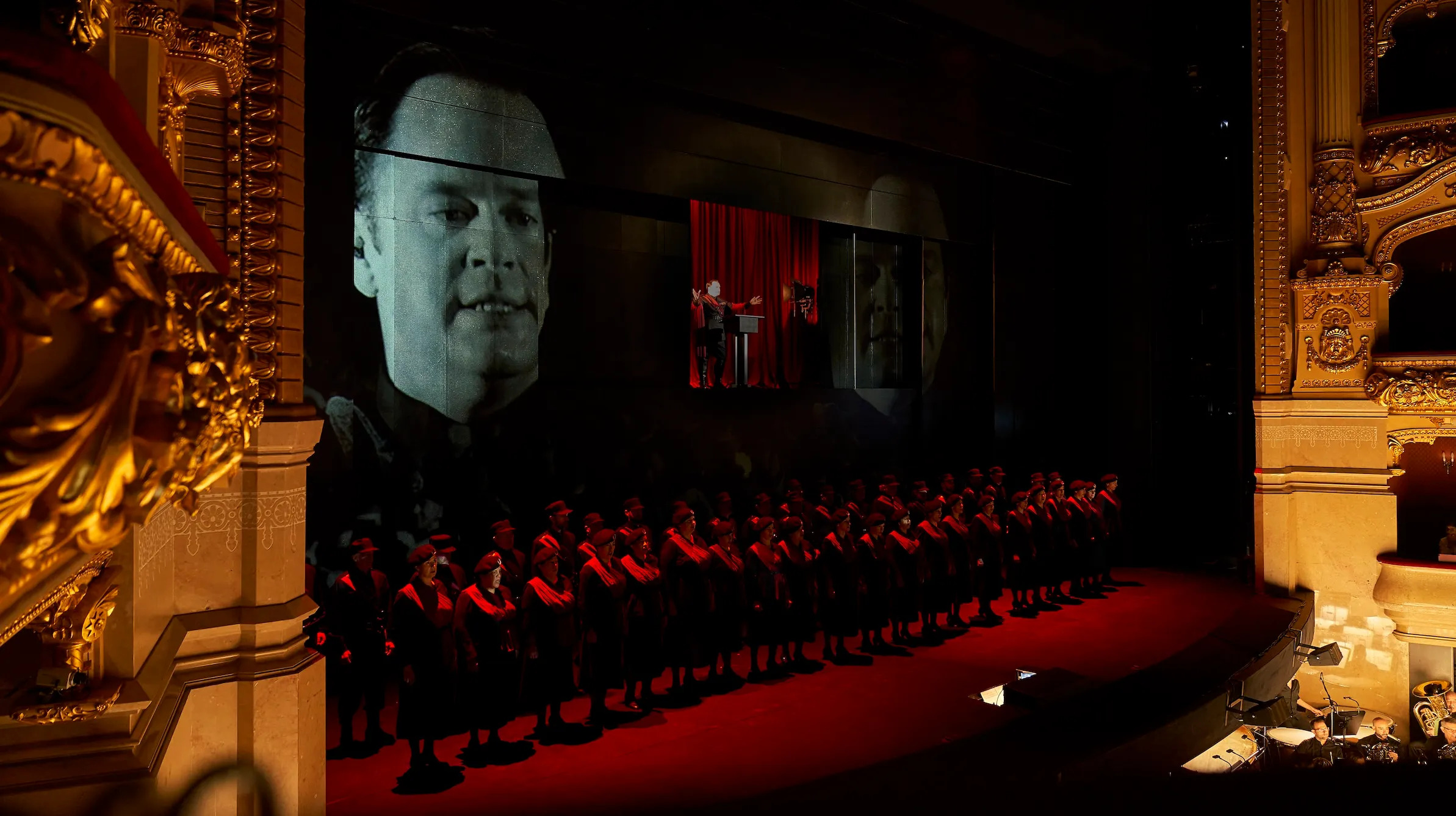
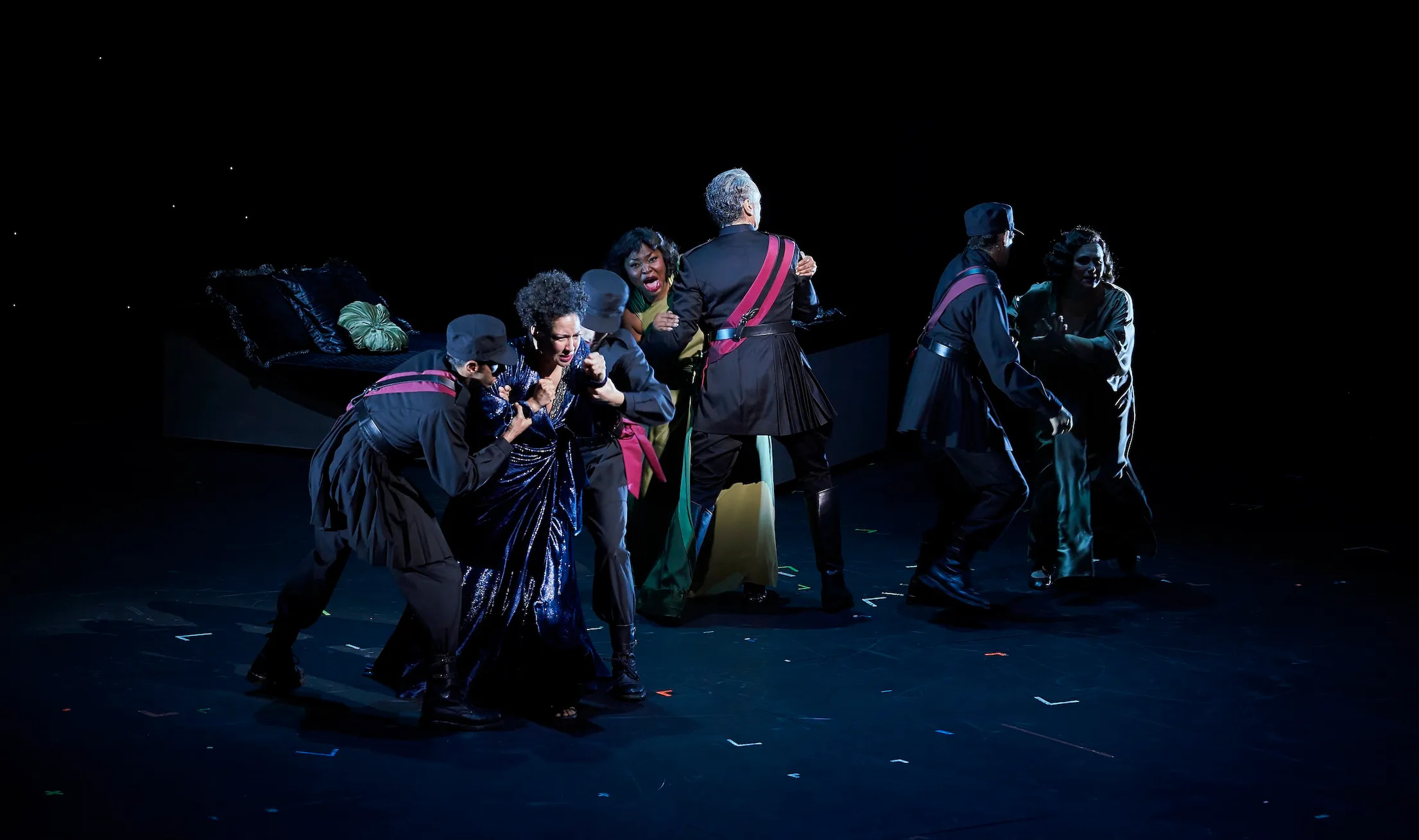
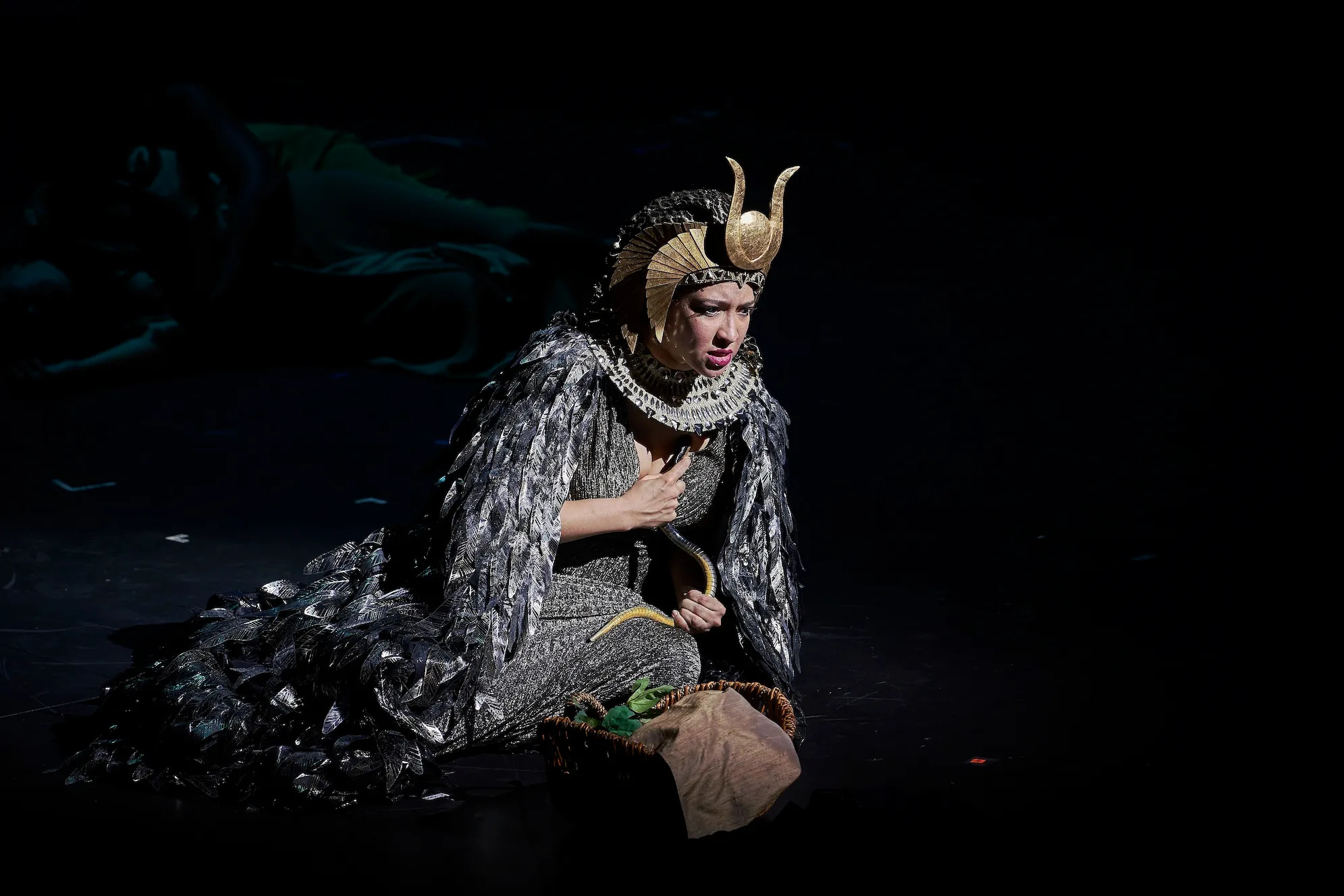
As John worked to craft his score and libretto, I turned my attention toward the creative team and the design. We knew we would live in a world where Egyptian and Greek/Roman Gods still exist. We cast our eyes back to 30 BCE and looked to the incredible artifacts of Ancient Rome and Egypt for inspiration. As we developed the production, we began to tease out themes of public vs. private and artifice vs. real by exploring how the public self is fabricated and amplified though media and image. In updating the setting, we chose to invoke the Golden Age of Hollywood, which feels particularly apt, given how cinematic depictions of these characters have become enmeshed with the genre’s own history and still influence modern perceptions.
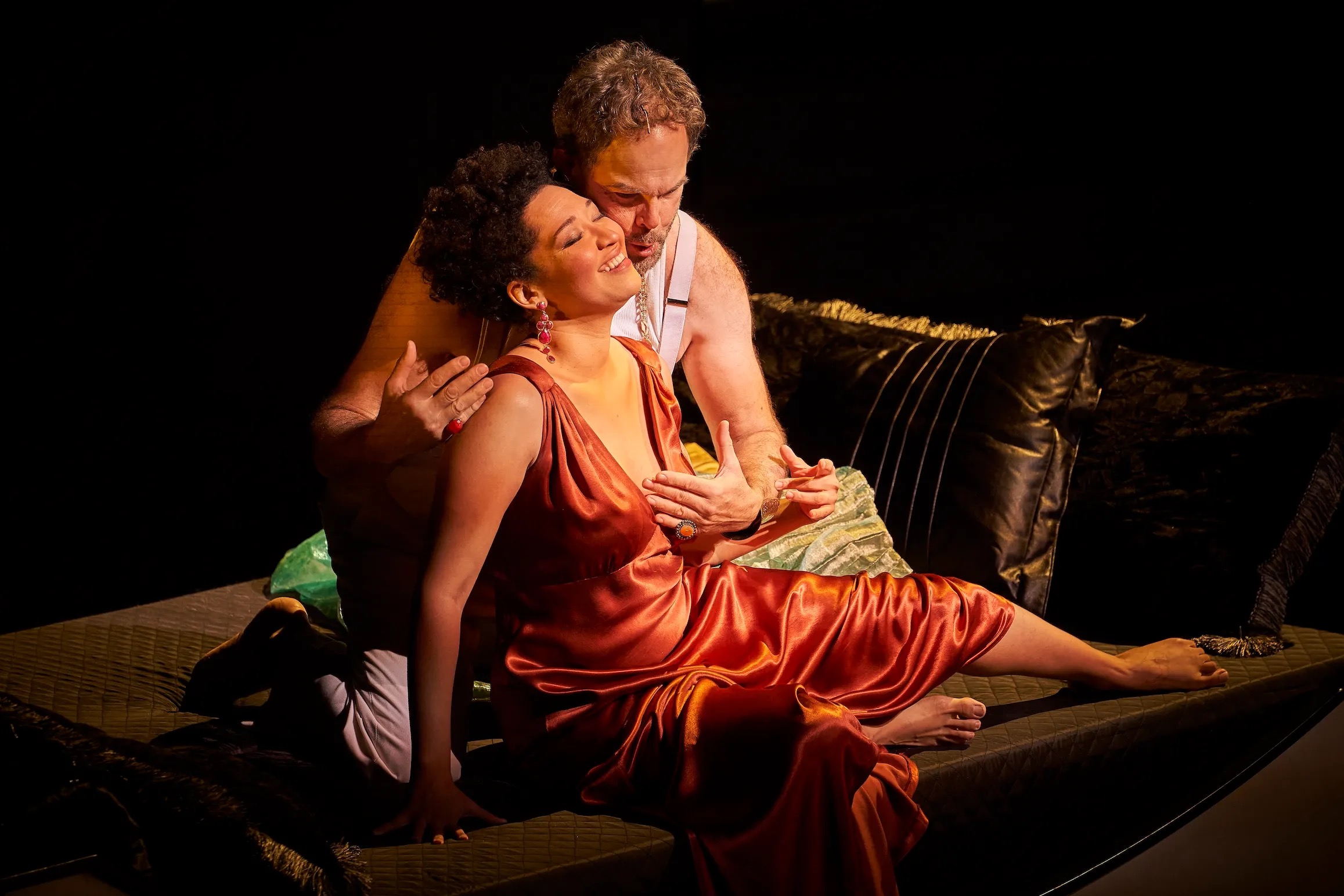
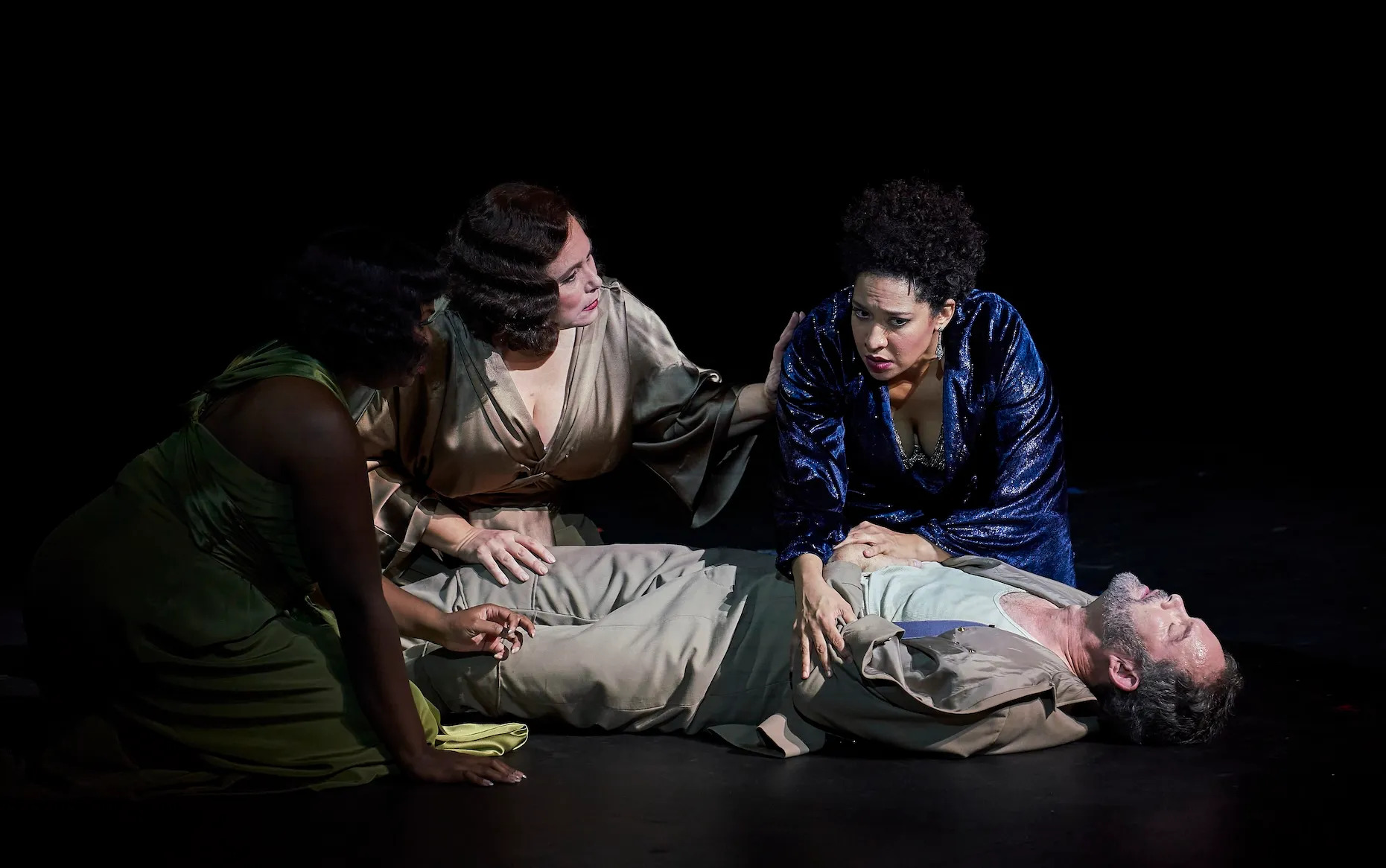
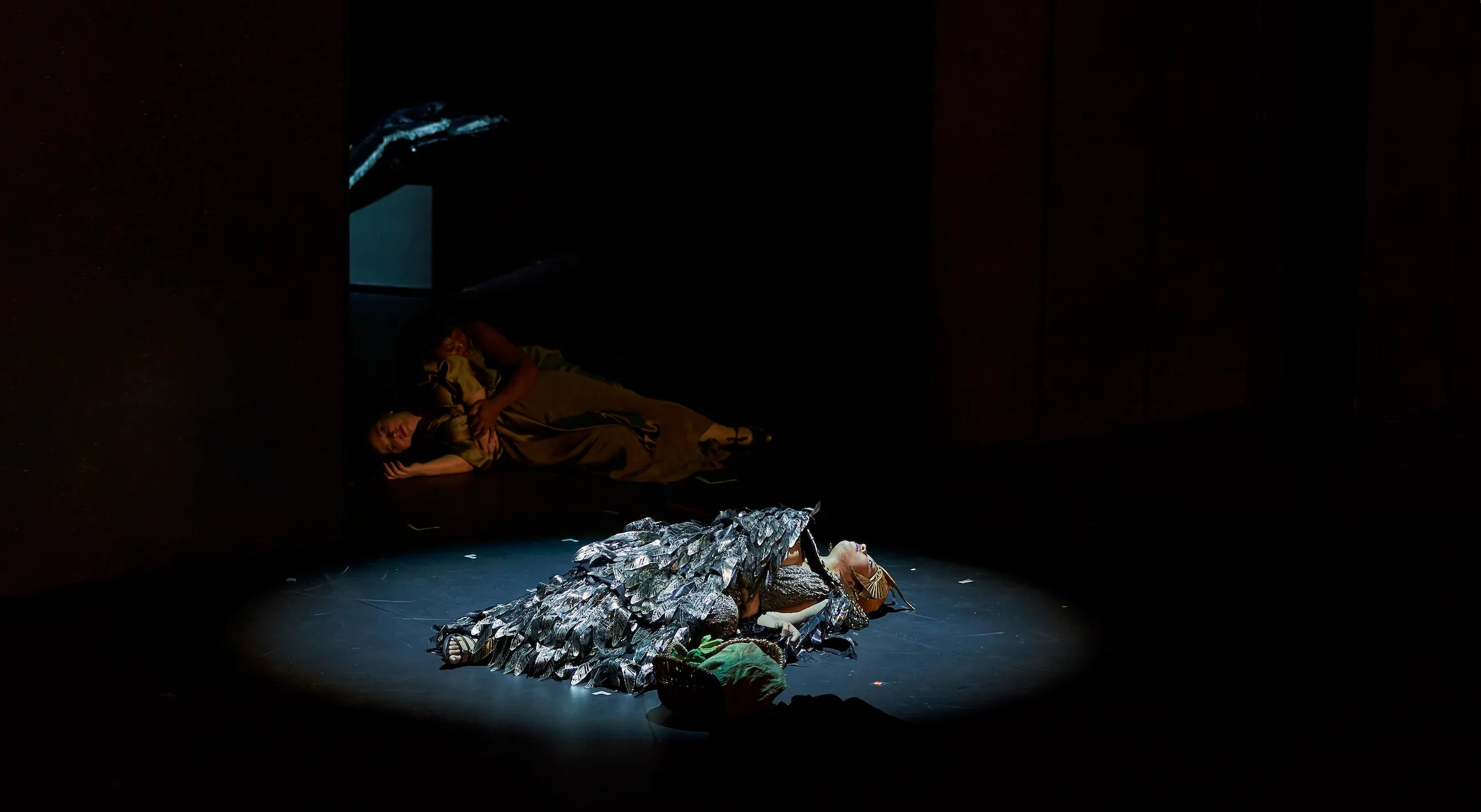
At heart, Antony and Cleopatra is a love story. In a world of political machinations and carefully crafted public personas, we ultimately behold two wizened lovers who remain true to each other to the end, despite tectonic blows of adversity and imminent death. Throughout their journey, they are glamourous—even fabulous!—inspiring us with their zest for life and their grace in dying, on their own terms. I’m grateful for the opportunity to bring these three famous people to life once again amplified in the public imagination to mythic status, and yet always deeply human.