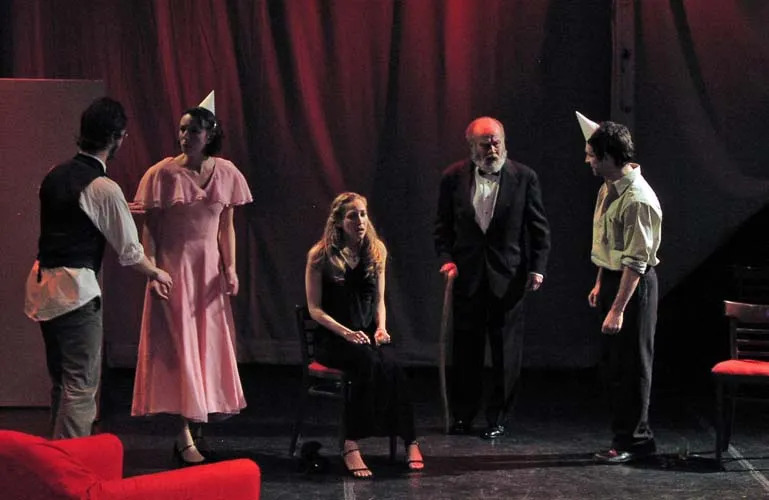
The Cherry Orchard is Anton Chekhov’s final play and, according to some, the first modernist play. The tragicomic masterpiece, first performed in 1904, follows one family’s inability to adapt to change as a merchant proposes cutting down their beloved cherry orchard to build dachas. They refuse, leading to the estate’s auction and the end of their way of life. The play explores themes of social change, the decline of the aristocracy, the rise of the middle class, memory, and the inability to adapt to a changing world.
As Chekhov’s last play, it is considered one of his greatest works and a landmark of modern drama, capturing a pivotal moment in Russian history on the eve of revolution.