Director’s Note, by Elkhanah Pulitzer
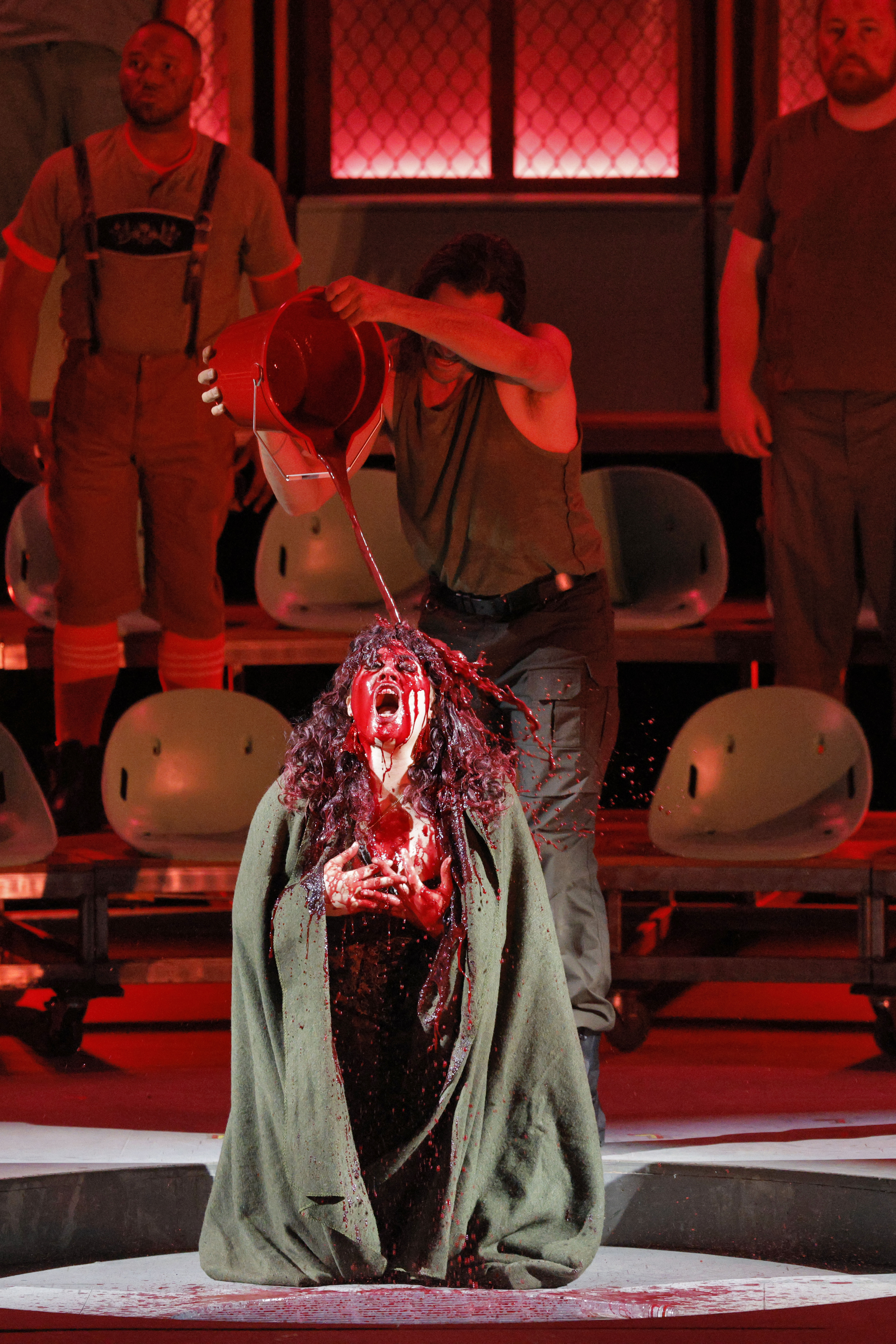
Alban Berg’s Wozzeck is a harrowing critique of the systems of power we create that ultimately corrupt and exploit our most vulnerable, and perpetuate cycles of violence and suffering. Fortunately it is also laced with wry humor—a biting commentary on our collective human folly. The opera reveals how choices driven by war, greed, and disregard for life cascade downward, devastating those with the least freedom and agency, and striking hardest at the poor and the disenfranchised.
Wozzeck illustrates the universal struggle of the downtrodden, and the fundamental impact of poverty on health, home, family and community. It demands we witness suffering and the systemic failures that perpetuate it. It shows us the fragile connections that shatter when someone is pushed beyond the breaking point.
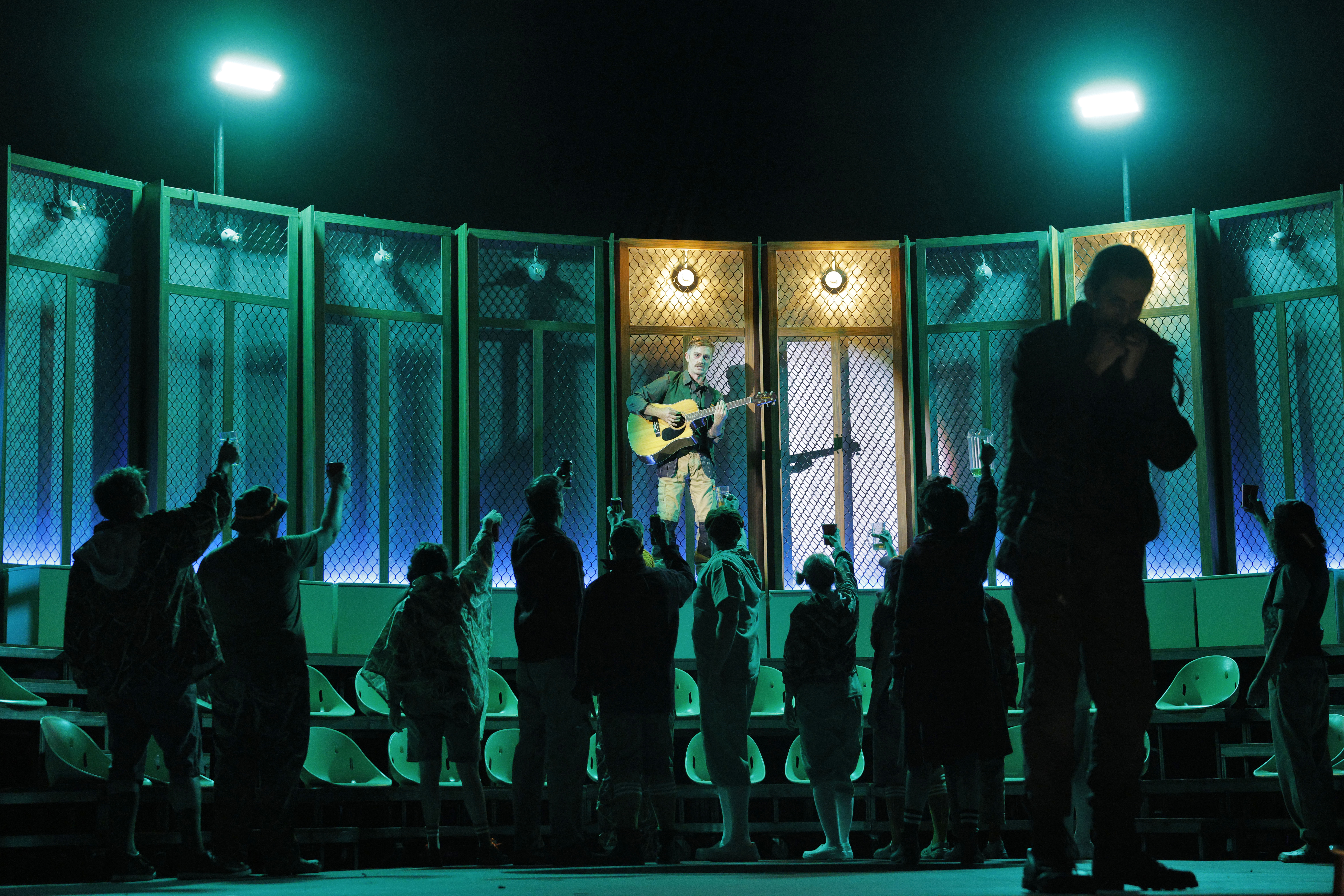
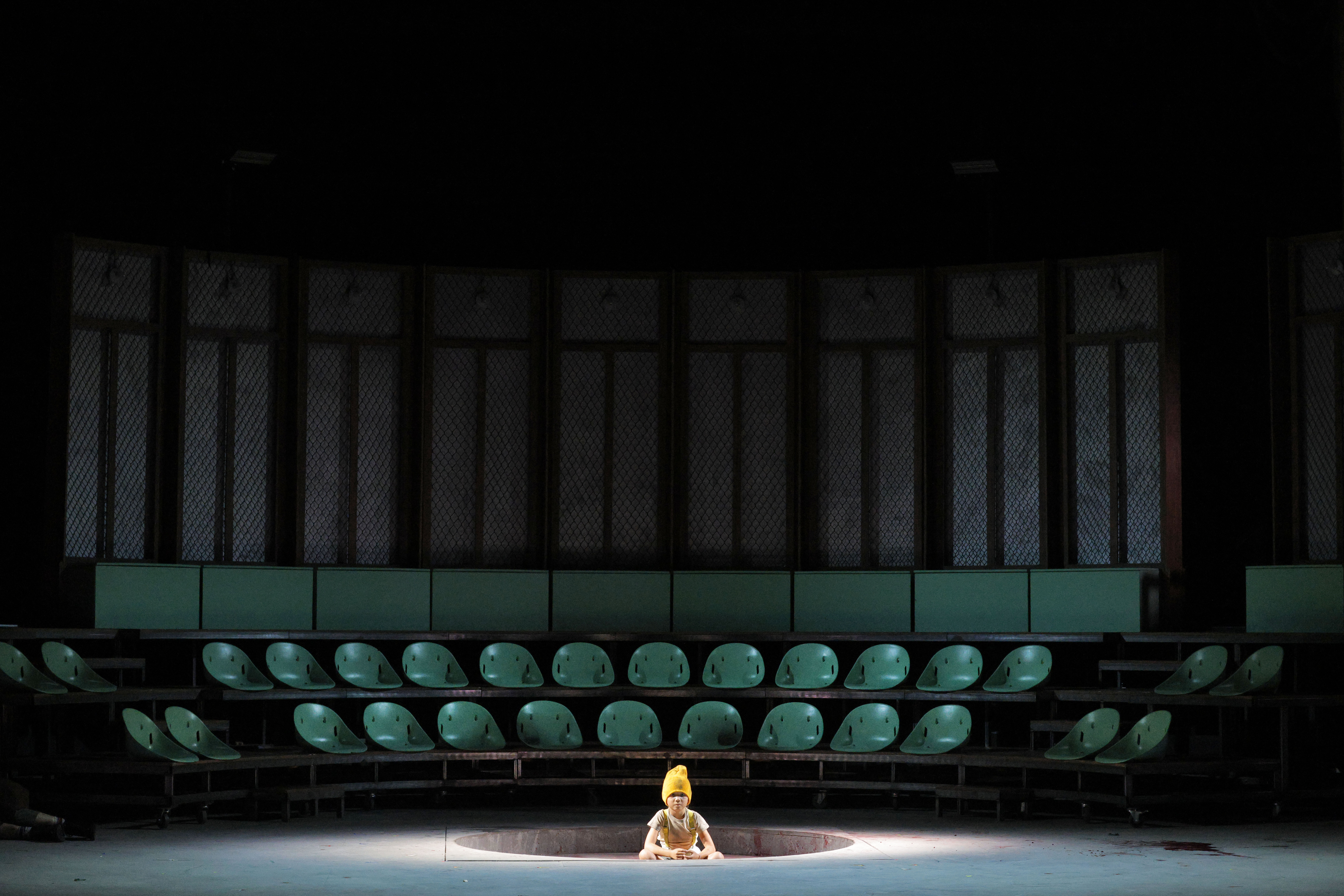
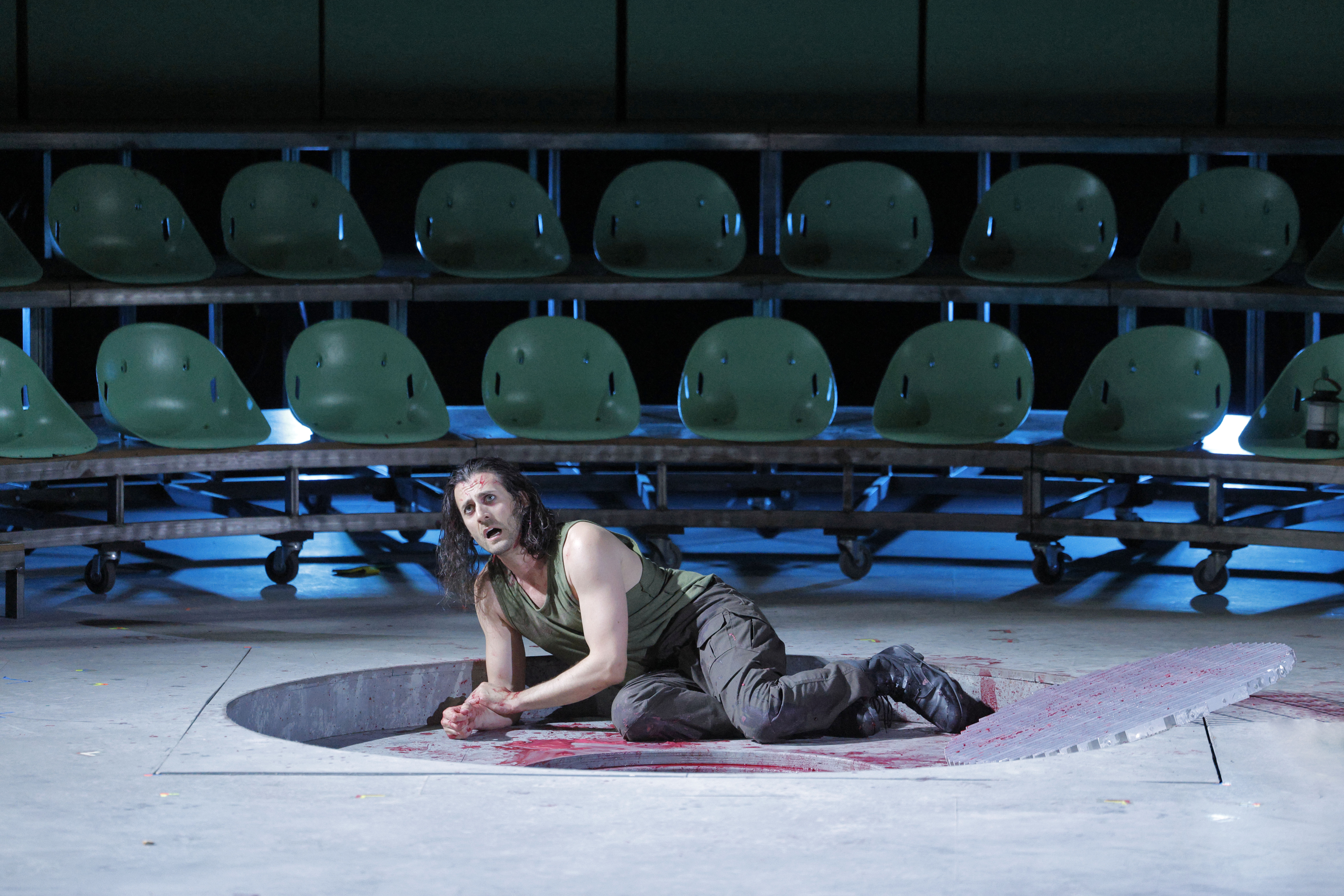
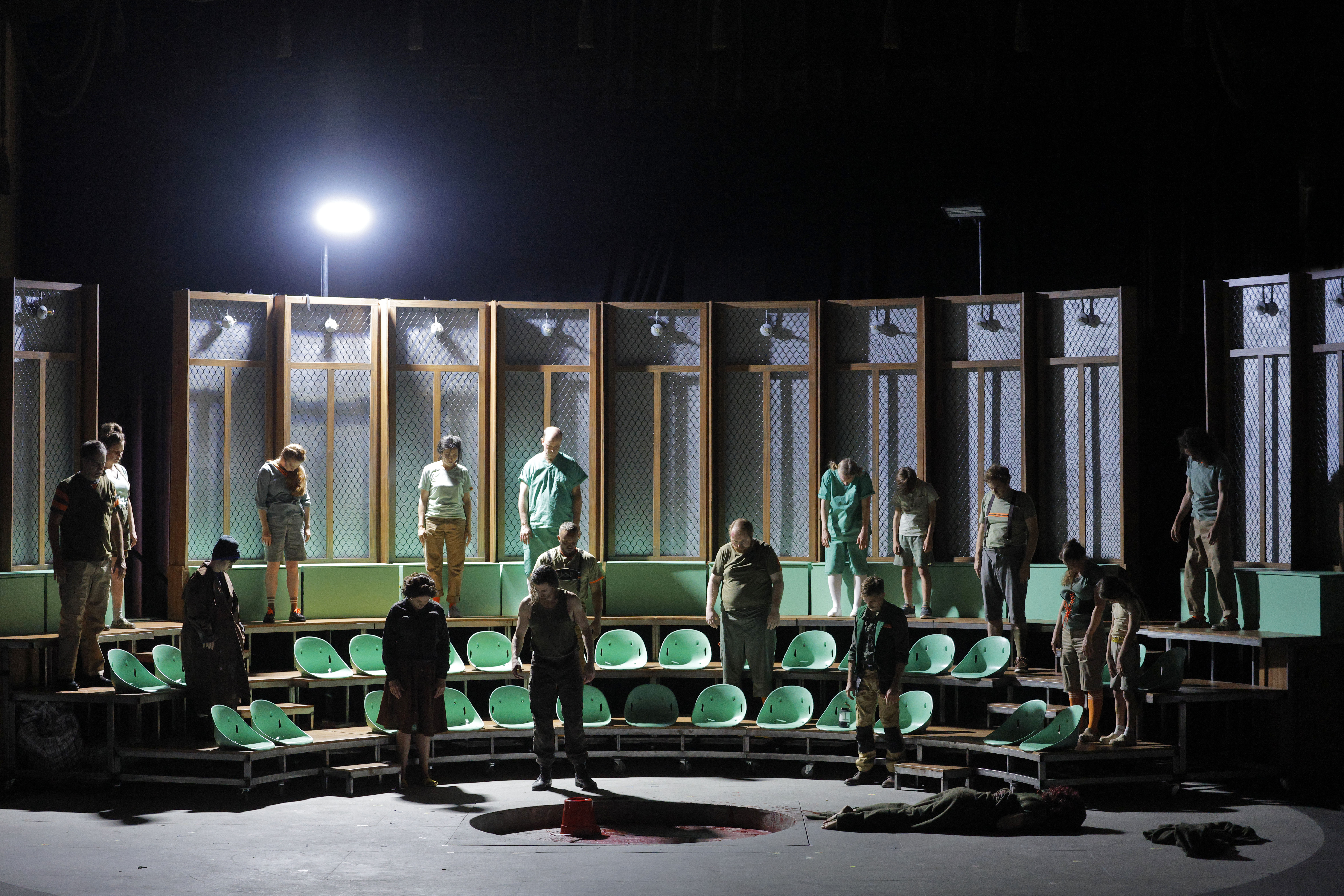
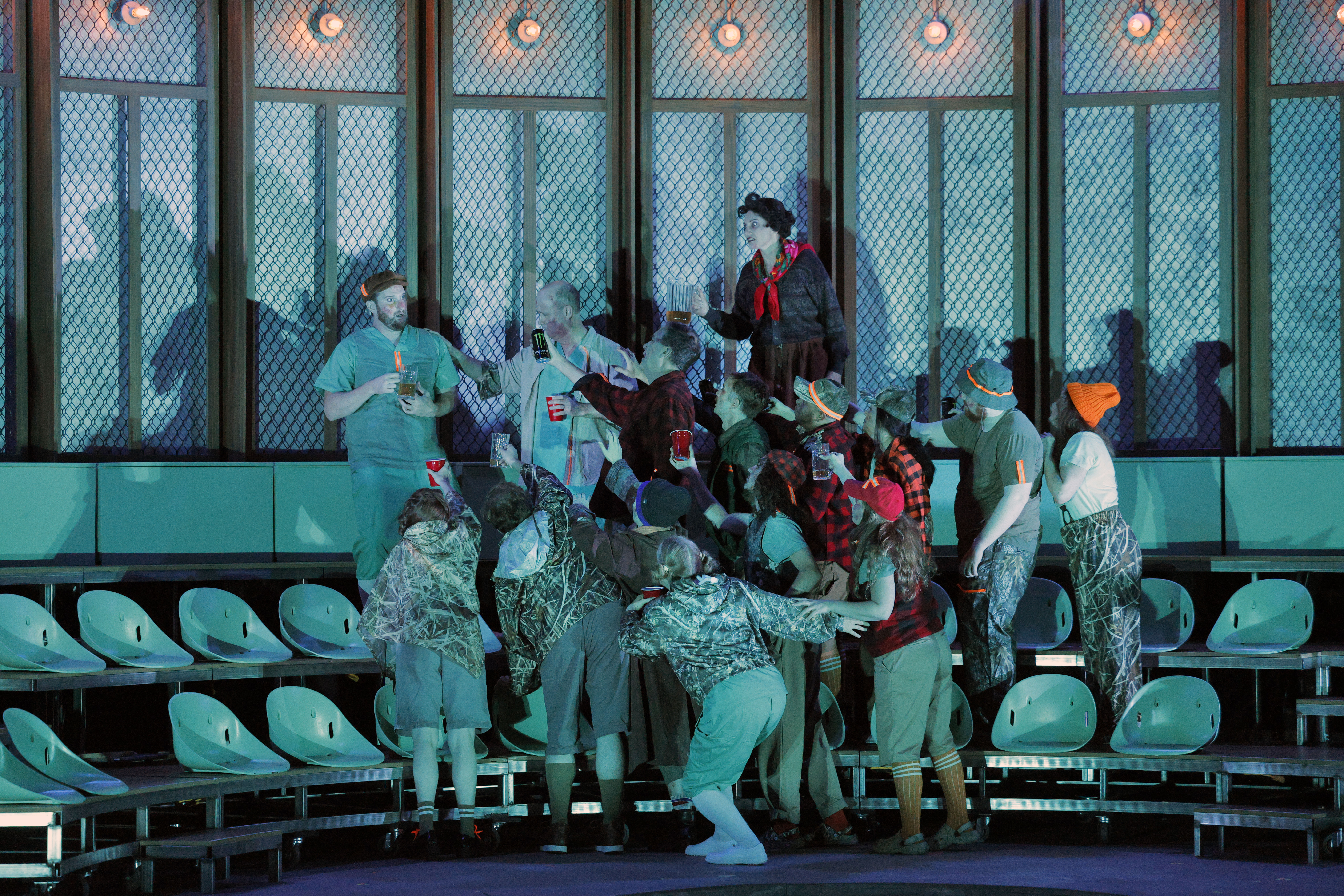
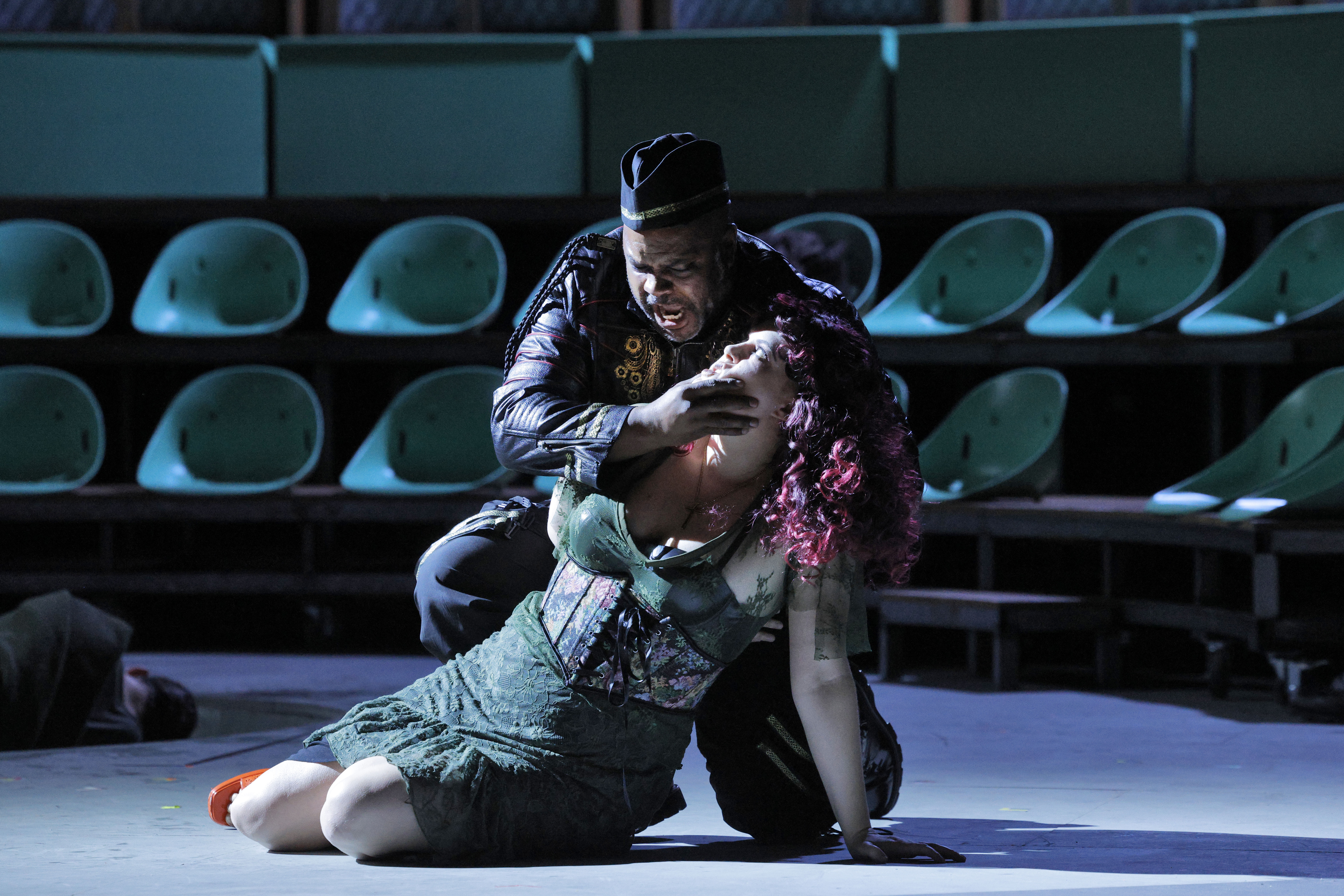
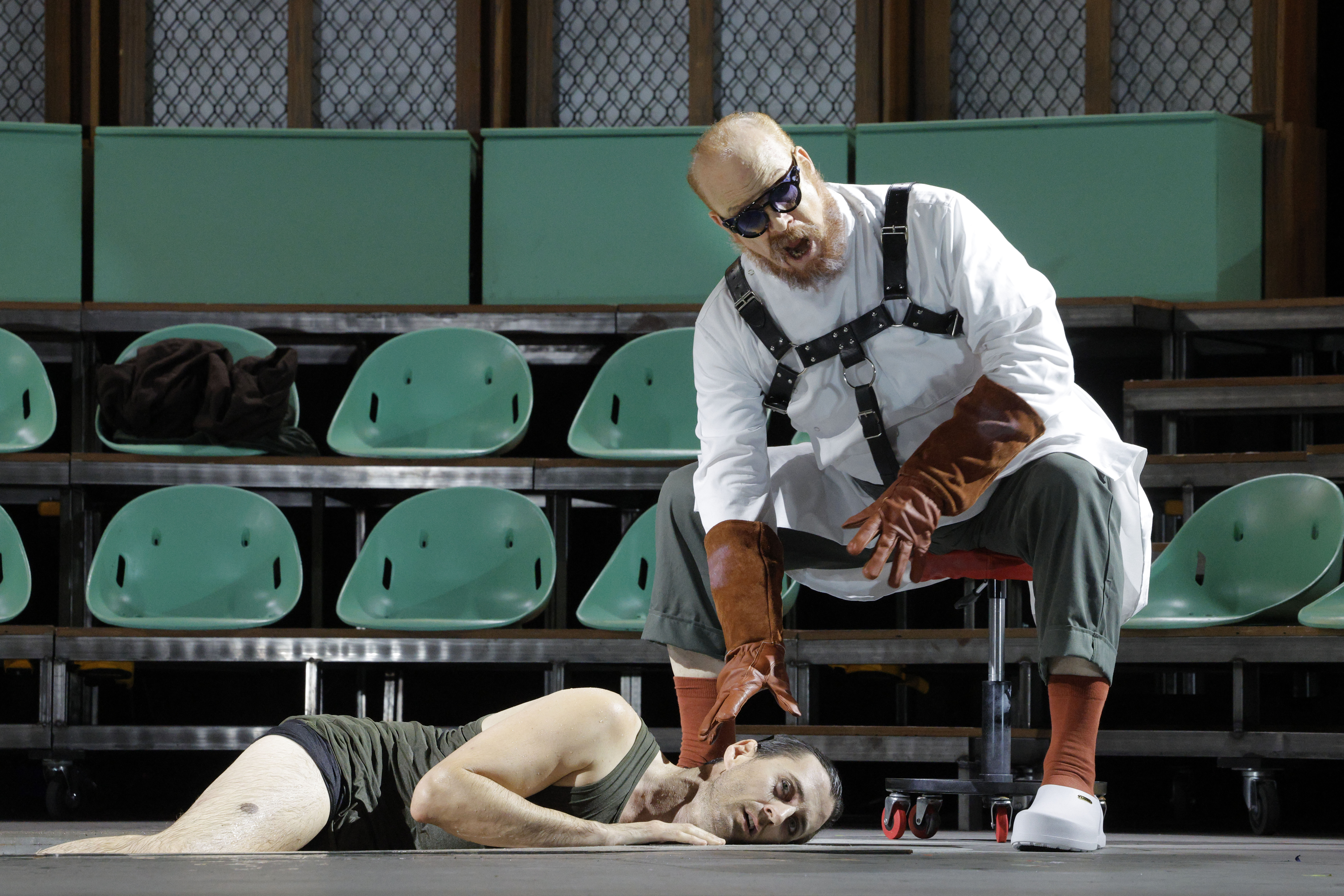
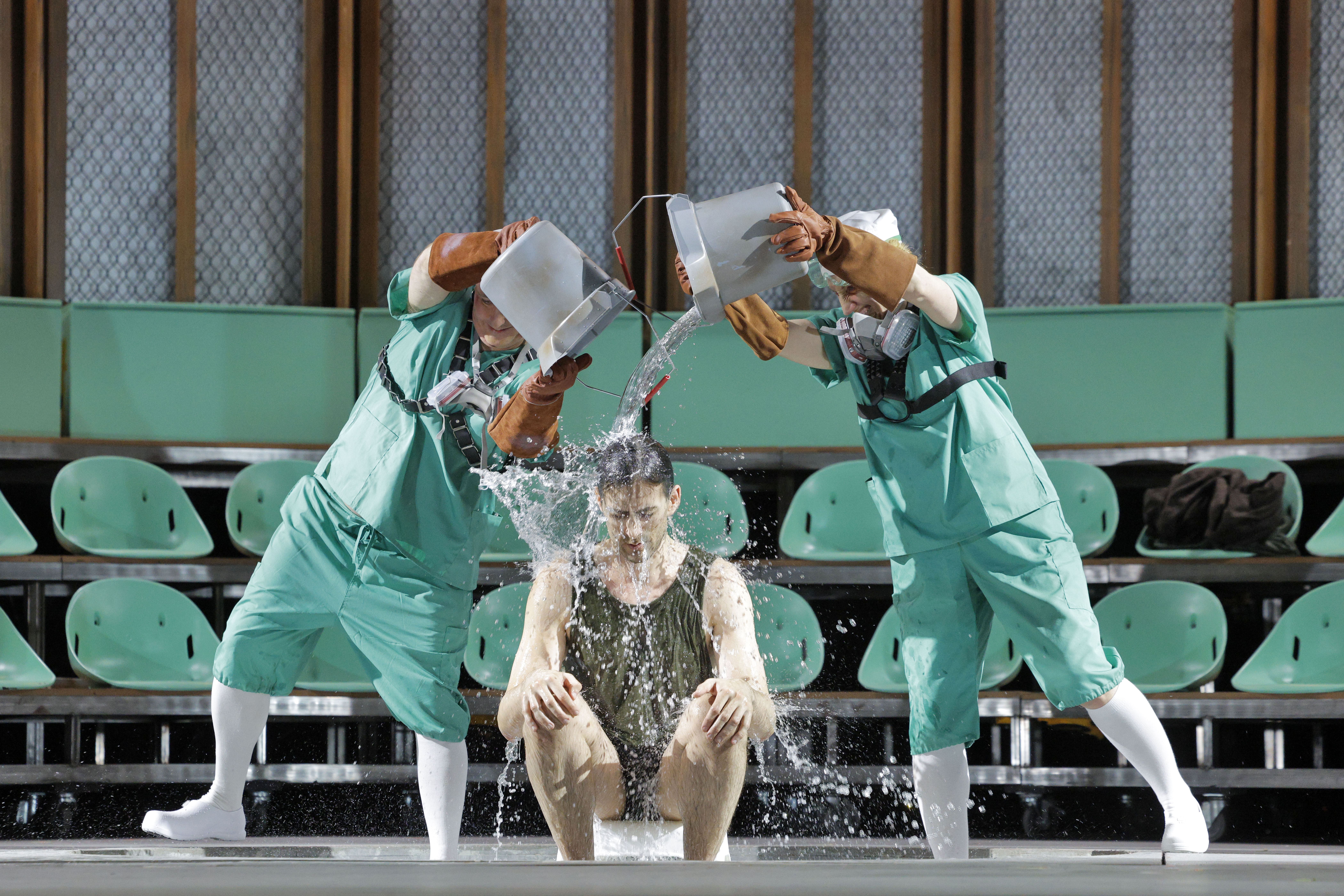
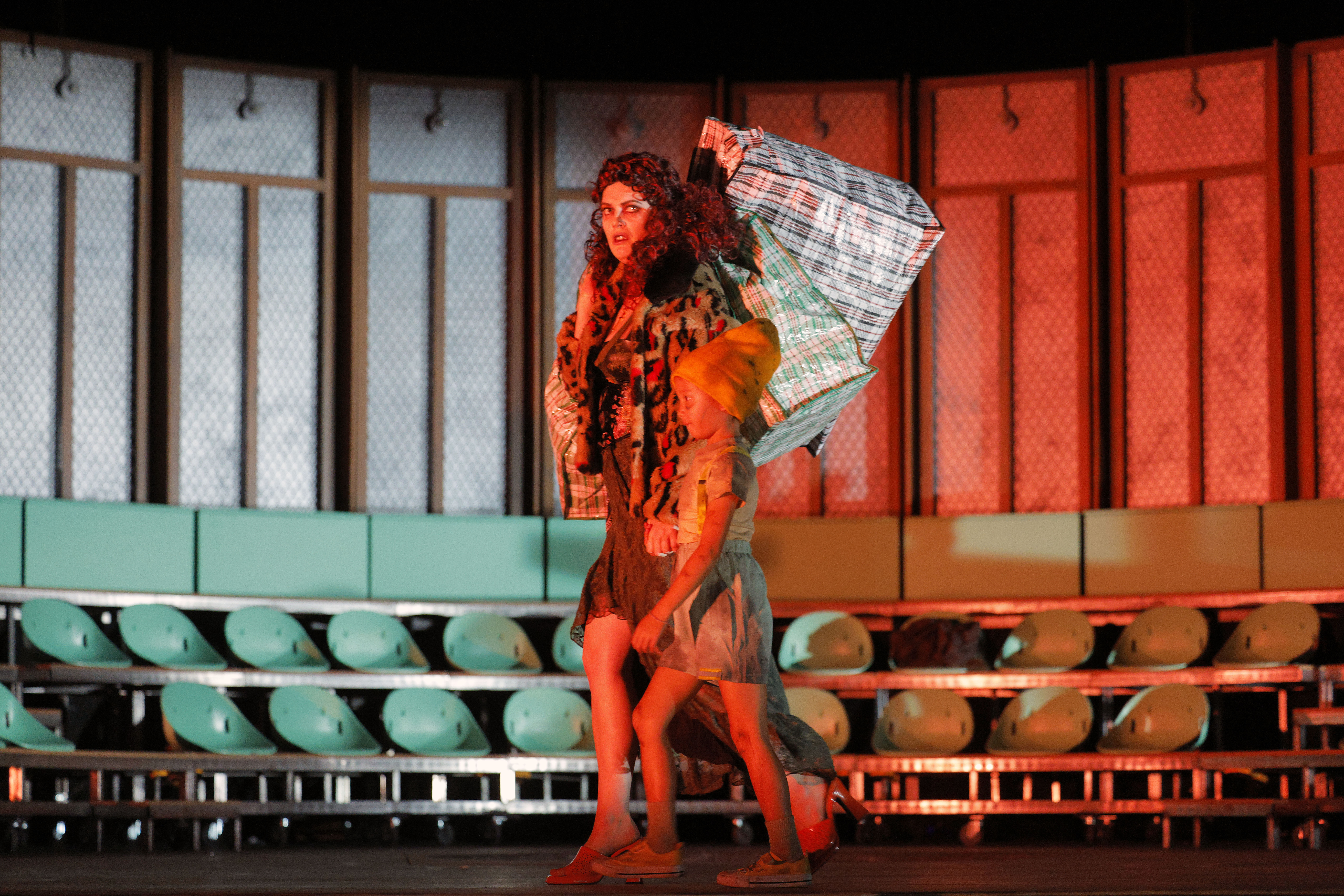
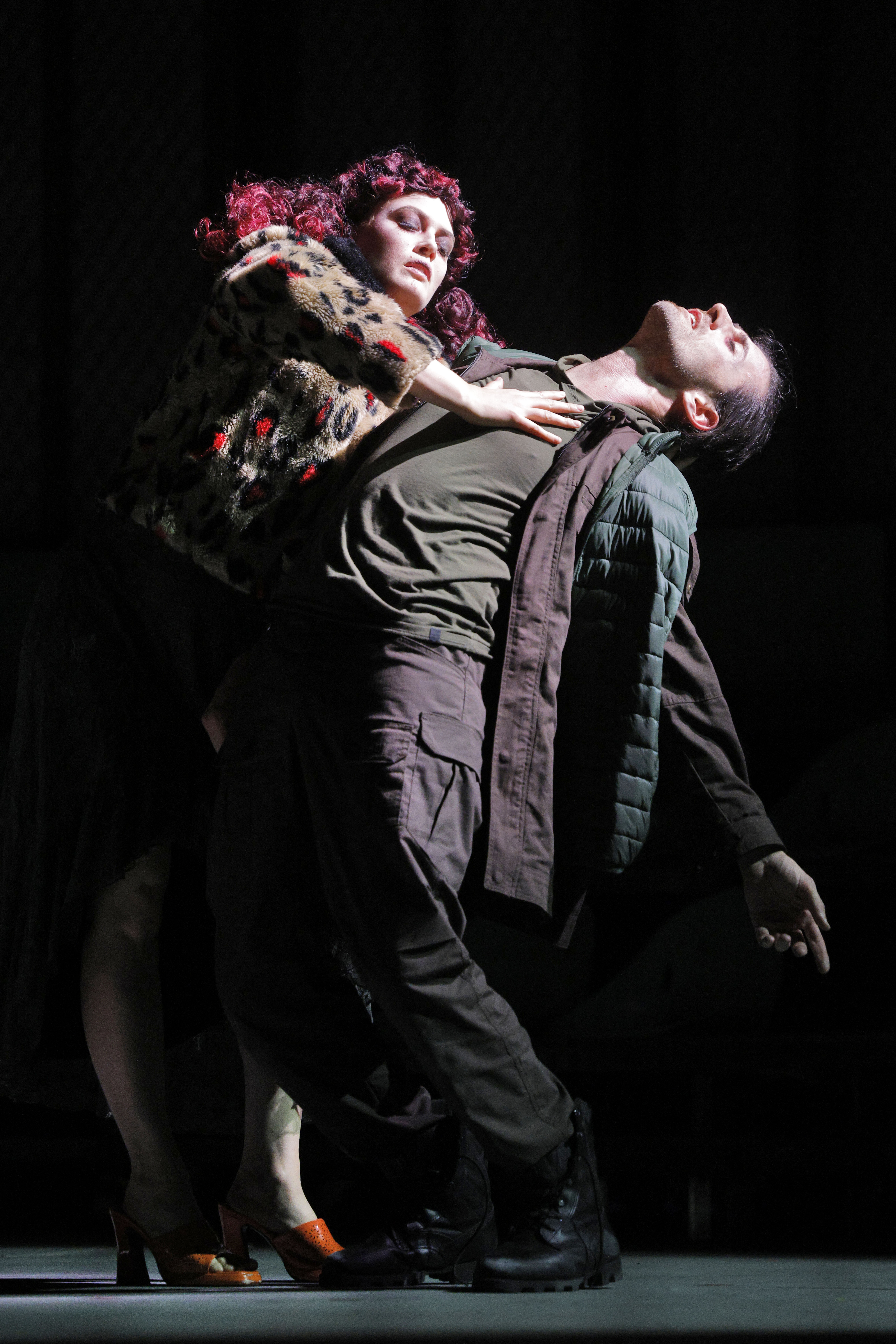
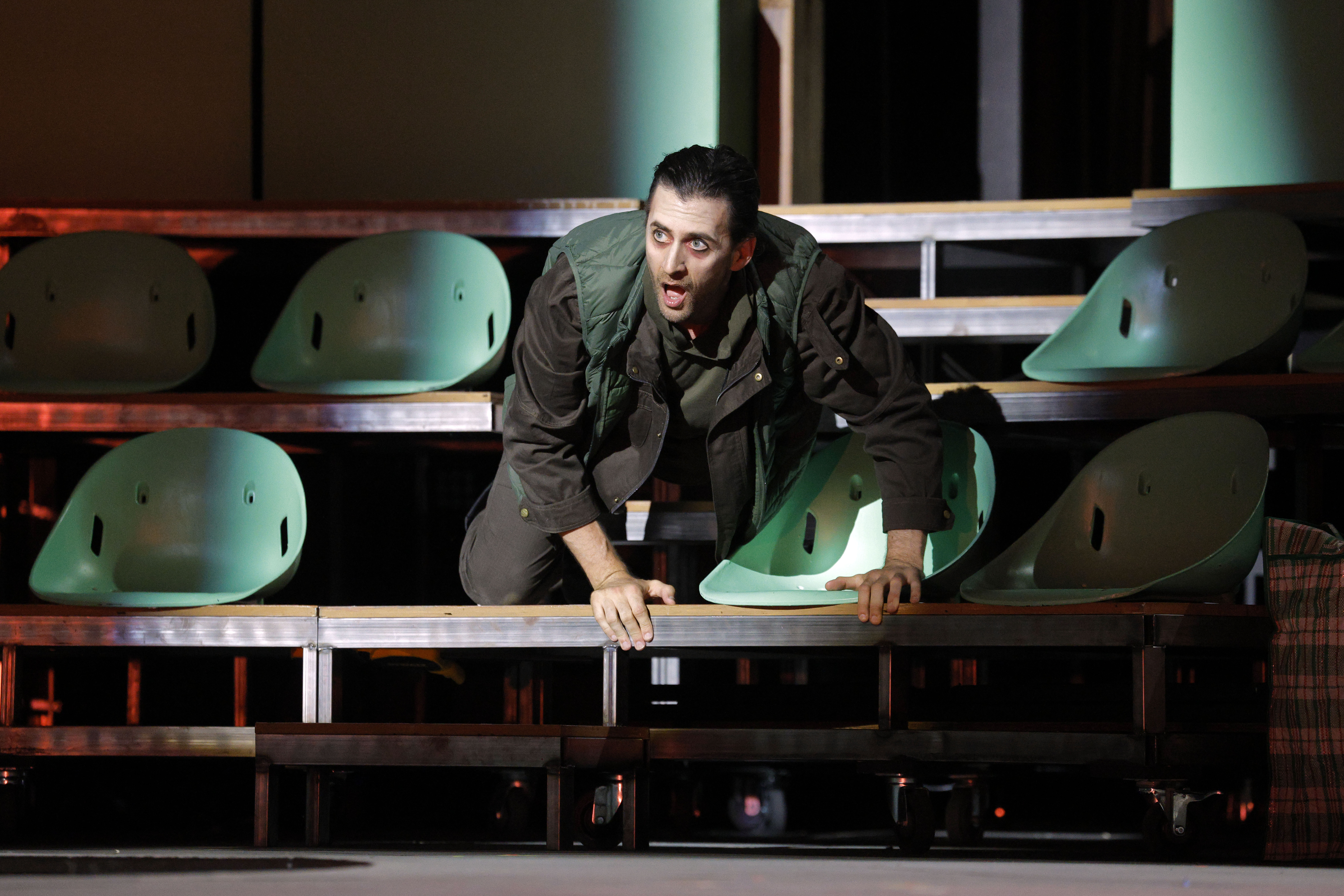
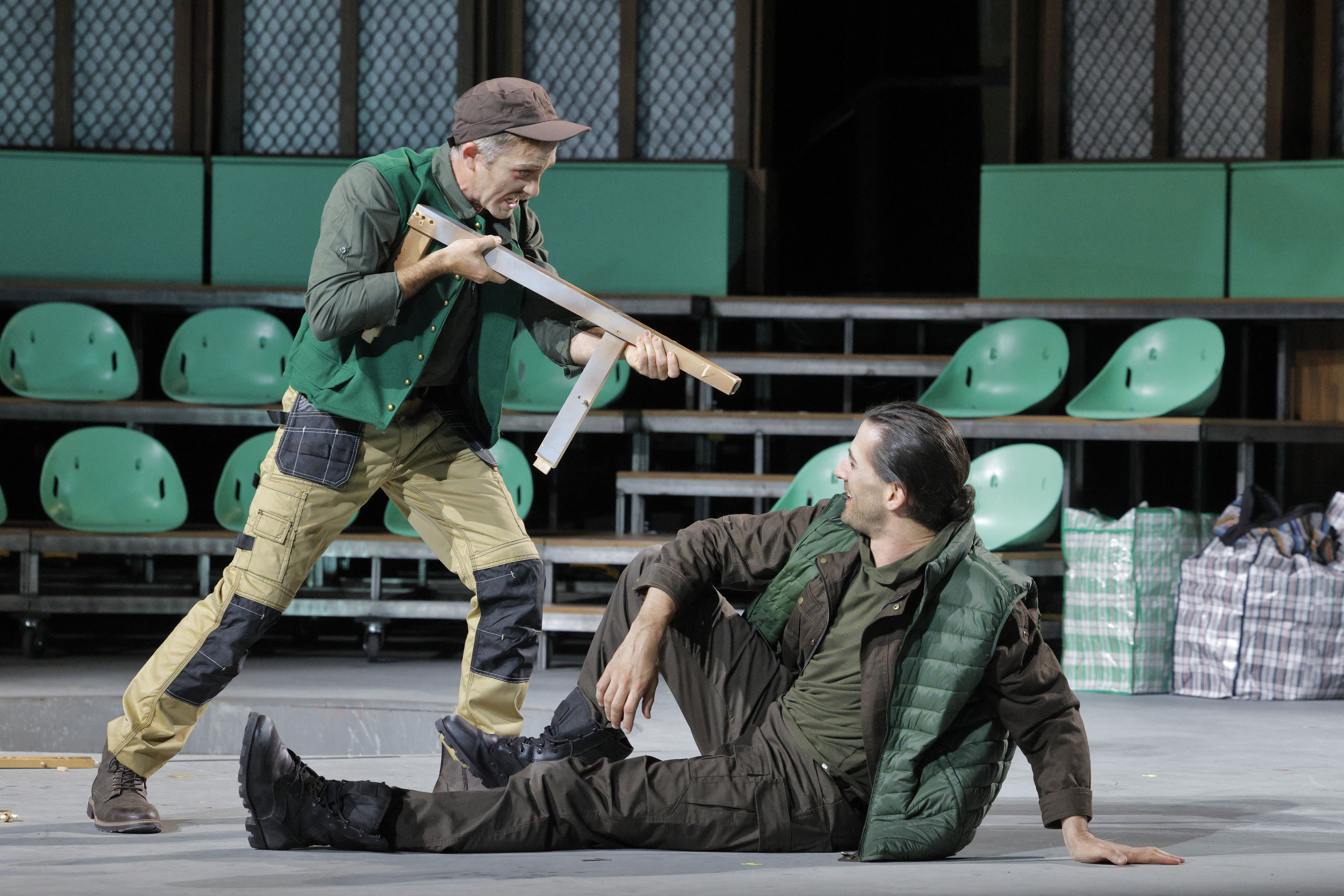
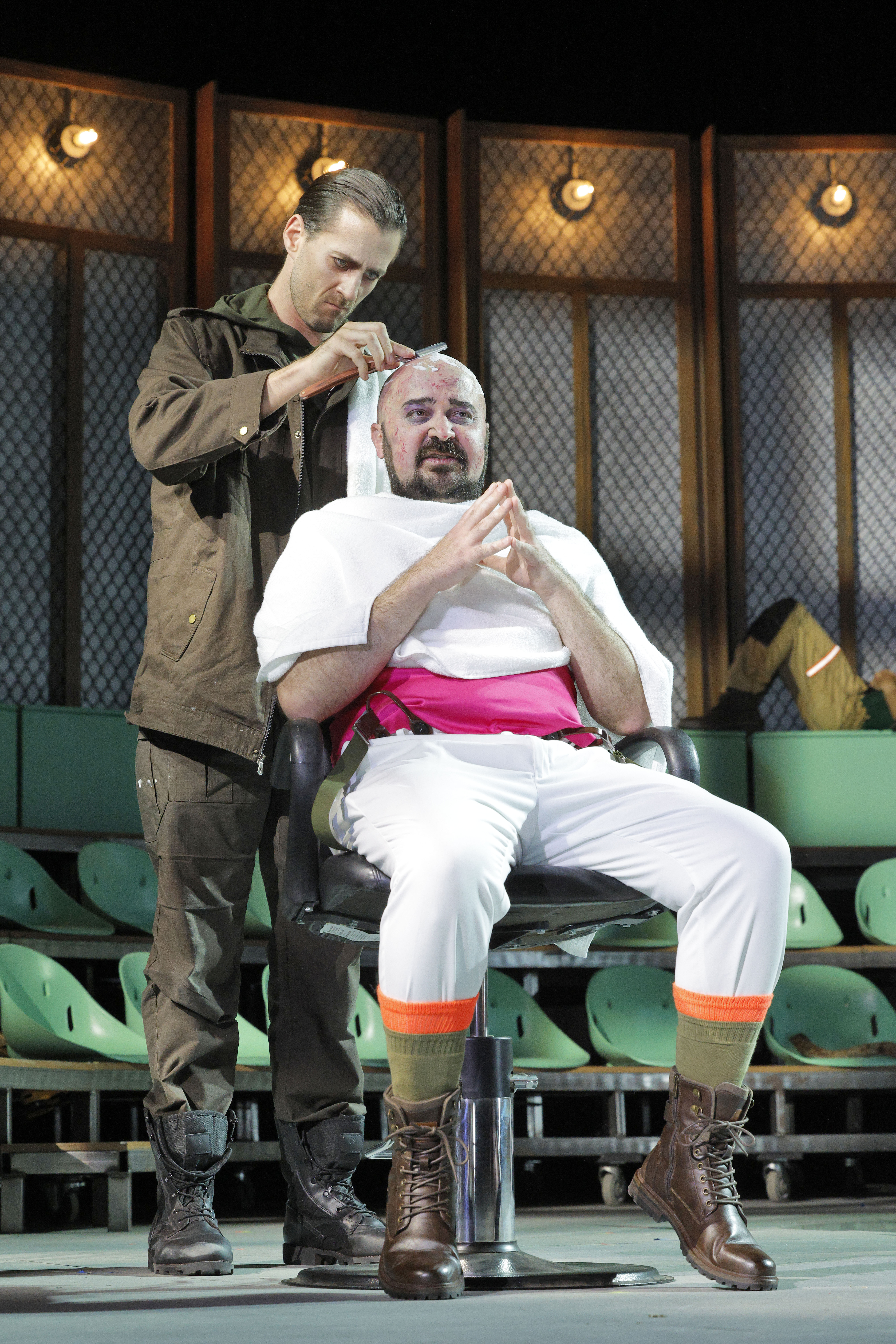
I imagine the world of Wozzeck as a kind of petri dish, like a desolate moon, with a central drain, evoking both surgical theaters and combat arenas. The design fuses past and present, reflecting today’s political crises while nodding to the world in which the opera was composed, emphasizing how each era must confront the same enduring moral challenges. Through via negativa, we grapple with the darkest aspects of humanity, holding a mirror up to the horror that arises when people are broken.
Why do we engage with this sort of painful story telling? Because we all carry the fear of our own unraveling. We’ve turned away from others in need. We’ve longed to be seen and loved. We’ve made desperate choices and craved dangerous things.
This story is deeply human, a cautionary tale shared in the hope that by witnessing the worst, we will make better choices. We don’t want to live in a world shaped by militarization, scarcity, and indifference. Sharing stories like Wozzeck helps us reckon with who we are, hopefully helps us move through the world with care, not cruelty.
Ultimately, Wozzeck stands as both a searing critique and a call for empathy, a reminder that we must not turn away from our neighbors in need.